

Perks, spiffs, and pep talks may give your sales team a temporary boost, but their effects fade fast, especially with the constant pressure to hit quota and the challenges of remote work fatigue. If you find yourself asking how to motivate your sales team in a more sustainable way, the answer isn’t a bigger bonus or a flashier incentive; it’s a simple, repeatable system that your reps can rely on day after day.
By identifying the root causes of low drive and addressing them systematically, you can create a culture of consistent motivation that holds up under even the toughest sales conditions, from normalizing rejection and making progress visible, to giving reps more control and building habits that sustain energy over time. Continue reading to learn how to properly motivate your sales team.
What Should You Fix First?
Before you start trying random tactics to boost motivation, diagnose the real problem accurately. Take a recent study from Salesforce, for example: the main reasons sales reps think about leaving their job are no hopes for career advancement, uncompetitive pay, and lack of clarity from leadership.
If you don’t address the core issues and jump to surface-level solutions, you’ll waste time and energy on changes that won’t make a meaningful impact on your team’s day-to-day drive.
Start by looking for clear signals that your sales reps are struggling with motivation:
- Pipeline avoidance (busywork over outreach), rising no-shows, longer ramp times than normal
- “Sandbagging” deals, last-minute pushes, inconsistent CRM hygiene
- Camera-off culture in standups, low talk-time, fewer quality discovery questions
- Higher PTO spikes, more negative self-talk, or blame-shifting
Once you’ve identified the most common symptoms, trace them back to their likely root causes. Is it a lack of clear progress visibility? Inconsistent coaching and feedback? Fear of rejection holding reps back? Pick the one friction point that’s having the biggest negative impact across the team and focus on fixing that first.
Pro Tip
Ask each rep, “What feels outside your control right now?” Fix the top shared friction first to create a quick, visible win.
How Do You Normalize Rejection and Risk?
In sales, hearing “no” is an everyday reality. If you don’t find a way to lower the emotional cost of those misses, your team’s activity levels and willingness to learn will inevitably stall.
The key is to make rejection feel normal and learnable. Instead of just tracking wins, start measuring and reviewing quality attempts too. Look at calls together to identify skill gaps and areas for improvement. Most importantly, celebrate smart efforts and experiments, even when they don’t lead to an immediate “yes.”
Example
Add a “best loss” share to your weekly team meetings. Have a rep walk through a quality attempt, break down what they learned, and explain how they plan to tweak their approach next time. This simple ritual reframes rejection as an opportunity for growth and forward momentum, not a personal failure. When reps see that taking risks and trying new techniques won’t cost them credibility, coachability goes up and effort becomes more consistent over time.
How Do You Make Progress Visible Daily?
Motivation becomes self-sustaining when reps can see undeniable proof of progress every single day. But if you only focus on lagging indicators like revenue, that momentum fades fast. Wins are too rare and unpredictable to keep energy high between successes.
The solution? Surface leading indicators that are fully within a rep’s control and highlight movement on a daily basis—both at the team and individual level. Start by making these metrics highly visible:
- Inputs: Prospecting blocks completed, quality conversations logged, new opportunities sourced
- Quality: Discovery call scorecards, talk-time balance, next steps secured
- Learning: Call reviews finished, common objections mastered, key skills practiced
To get started, you should:
- Choose a few core metrics for each category and make sure every rep knows exactly where they stand every day.
- Showcase quick wins in team huddles.
- Use leaderboards to spark friendly competition around key behaviors.
- Help each rep see how their daily actions are moving the needle on their personal goals in 1:1s.
- Break down a big target into a clear number of calls, opportunities, or skill reps needed to get there.
Seeing those numbers tick up daily proves to reps that their effort is never wasted, even when deals aren’t closing yet.
How Do You Give Reps More Control?
One of the fastest ways to drain motivation is to make reps feel like they’re just executing someone else’s playbook with no room to adapt. When they can’t control their own process, they stop taking ownership of outcomes.
Here’s how you can give your reps more control:
- Give your team structured autonomy by letting them choose how they hit their targets.
- Let reps decide their own prospecting schedule, pick which accounts to prioritize, or experiment with different talk tracks.
Let them define the “what” (the goal) clearly, but leave the “how” (method) to them.
Example
Instead of mandating 50 cold calls per day, set a target for quality conversations or qualified opportunities. Then let each rep figure out the mix of calls, emails, and social touches that works best for their territory. Review the results together weekly and coach on what’s working, not just what’s missing.
When reps feel like they’re running their own business within your business, they start to think like owners. They take more initiative, solve problems faster, and stay engaged even when things get tough.
Can You Motivate Sales Reps Without Money?
The simple answer is yes, but only if you understand the difference between intrinsic and extrinsic motivation, and use both wisely:
- Extrinsic motivators like commissions, bonuses, and prizes work well for short-term sprints and clear, transactional goals. But they lose power over time, especially if reps feel like the targets are arbitrary or the rewards are inconsistent.
- Intrinsic motivators like autonomy, mastery, and purpose are what keep reps engaged day after day, even when the deals aren’t closing.
The best motivation systems layer both. Use comp plans and spiffs to reward outcomes, but build your culture around intrinsic drivers like skill development, peer recognition, and meaningful progress.
When reps feel like they’re getting better at their craft and contributing to something bigger than their quota, money becomes a scorecard, not the only reason to show up.
Intrinsic Motivator Examples That Cost $0
You don’t need a big budget to create powerful intrinsic motivators. Try these low-cost, high-impact tactics:
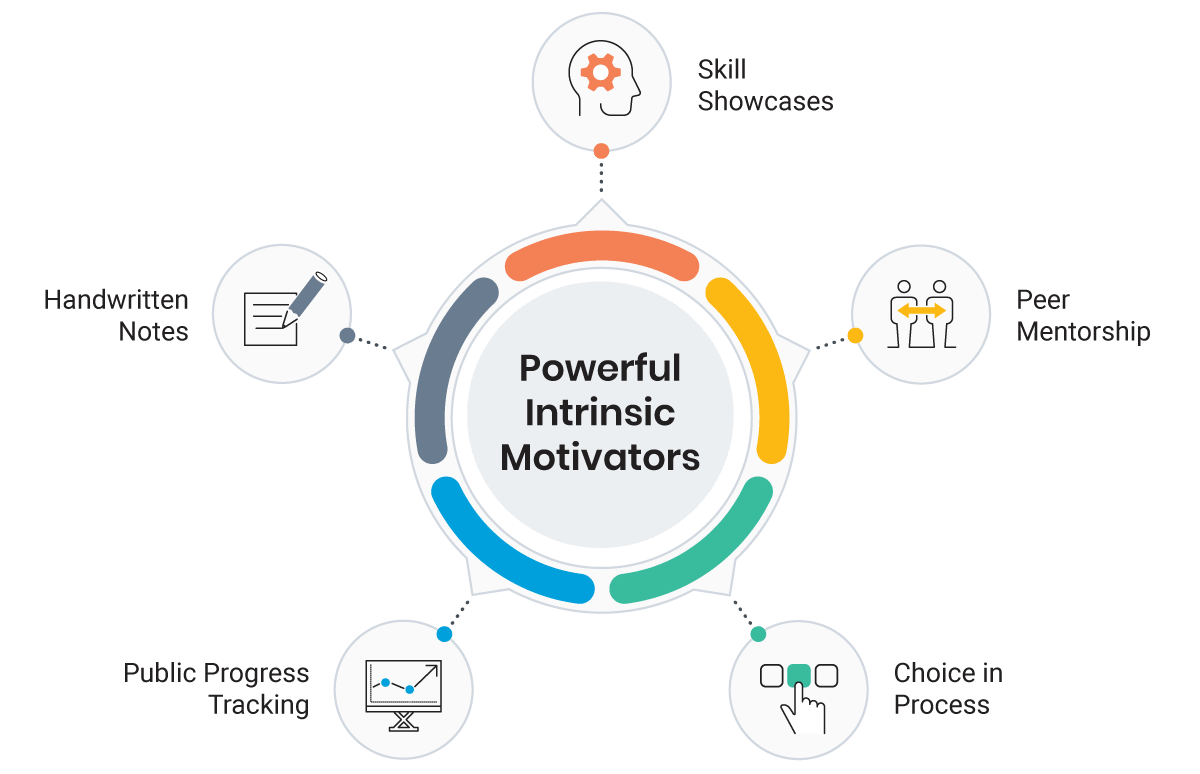
Skill Showcases
Let reps present a new technique or lesson learned in team meetings. Recognition + teaching = double motivation.
Peer Mentorship
Pair top performers with newer reps for weekly “game tape” reviews. Both sides benefit from the collaboration.
Choice in Process
Let reps pick their own prospecting tools, call scripts, or outreach sequences. Ownership drives effort.
Public Progress Tracking
Create a shared dashboard that highlights daily wins, not just closed deals. Celebrate movement, not just outcomes.
Handwritten Notes
Send a quick, specific note when a rep nails a new skill or goes above and beyond. Personal recognition sticks.
The key is to make these habits consistent and tied to behaviors reps can control. When recognition and growth opportunities are predictable, motivation becomes self-reinforcing.
Recognition That Drives Effort, Not Ego
Recognition is one of the most powerful tools for sustaining motivation when it’s done right. But if praise is generic, random, or tied only to revenue, it can backfire.
To make recognition a lasting motivator, tie it directly to specific actions reps can control and reproduce.
Try these recognition tactics to reinforce the right habits:
- Public: Share game tape of great discovery calls in team meetings. Spotlight reps who improved key skills month-over-month.
- Private: Use a quick Loom or handwritten note to catch reps doing things right, like nailing a new talk track or acing a call review. Be specific and send it the same day so the lesson sticks.
- Peer: Start a weekly tradition where the team gives props to someone who helped in a big way behind the scenes, like sharing competitive intel or collaborating on a tricky demo.
What Changes for Remote Sales Teams?
Remote work adds unique friction to sales motivation. Without the energy of a shared office, it’s harder to read the room, catch coaching moments, or build camaraderie. Reps can feel isolated, and managers can miss early warning signs of disengagement.
To keep remote teams motivated:
- Over-communicate progress and create intentional moments of connection
- Make daily standups short, focused, and camera-on
- Use async video tools like Loom to share quick wins and coaching feedback
- Build in regular 1:1s that go beyond pipeline reviews—ask about workload, energy levels, and what’s blocking their best work
Most importantly, make collaboration visible. Create shared Slack channels for wins, losses, and lessons learned. Encourage reps to share call recordings and ask for peer feedback.
When remote reps see that they’re part of a team, not just a name on a dashboard, motivation stays strong even when they’re working alone.
What Motivation Traps Should You Avoid?
Even the best motivation tactics can fall flat if you’re accidentally sending mixed signals. It’s easy for well-intended incentives, meetings, and metrics to quietly erode the very behaviors you’re trying to reinforce. Watch out for these common motivation traps:

Leaderboard Shaming
Celebrating only the top revenue performers can make the middle of the pack feel invisible. Balance revenue highlights with leaderboards for key activities and skills.

Erratic Comp Plans
Changing quotas or comp rules mid-quarter is a massive motivation killer. Strive for predictable, transparent incentives that align with your coaching.

Metric Bloat
When dashboards get cluttered with dozens of KPIs, reps lose sight of what actually moves the needle. Pare down public metrics to a core 3–4 drivers that are directly tied to rep behaviors.

Disruptive Meetings
Audit your team calendar weekly and move, shorten, or cut anything that steals prime selling time. Protect your reps’ prospecting hours.

“ASAP” Slack Culture
Set clear expectations for response times and train your team to protect focus time blocks for deep work. Constant interruptions kill momentum.
Make it a habit to audit your team’s motivation health every few weeks, and don’t be afraid to cut the deadweight.
Habits That Sustain Motivation
Motivation isn’t a one-time fix. It’s a system you build and maintain over time. The best sales leaders don’t wait for a crisis to take action. They build habits that keep energy high and effort consistent, even during tough quarters.
- Start with a weekly motivation check-in.
Pro Tip
Ask your team: What’s working? What’s draining you? What’s one thing we could change this week to make your job easier? Use their answers to make small, fast adjustments before small problems become big ones.
- Build rituals that reinforce progress and learning.
Pro Tip
A Monday morning “win share” to kick off the week. A Friday “best loss” review to normalize rejection. A monthly skill showcase where reps teach each other new techniques. These habits don’t take much time, but they create a culture where motivation is predictable, not personal.
- Model the behaviors you want to see.
Pro Tip
If you want reps to take risks, share your own failures and lessons learned. If you want them to prioritize learning, block time on your own calendar for call reviews and skill development. Your team will follow your lead, so make sure you’re leading toward the habits that sustain motivation over the long haul.
Conclusion: Make Motivation Predictable, Not Personal
Sustainable sales motivation isn’t about luck, charisma, or even the perfect comp plan. It’s about committing to a handful of consistent, controllable habits that make progress feel inevitable. When you build your culture around normalizing failure, making progress visible, giving reps true ownership, and recognizing the right behaviors, you create an environment where motivation becomes self-sustaining. Don’t wait for a motivation crisis to take action. Start today by diagnosing your team’s biggest energy drain and commit to one positive change.
And remember, you don’t have to do it all manually: use Salesgenie® to take the friction out of key motivational drivers like prospecting and prioritization, so motivation becomes a byproduct of your reps’ process, not a bottleneck to their performance.
FAQs
Look for clear warning signs like pipeline avoidance, inconsistent CRM hygiene, camera-off culture in meetings, and burnout cues such as PTO spikes or negative self-talk. Ask each rep “What feels outside your control right now?” and focus on fixing the top shared friction point first to create a quick, visible win.
Make rejection feel normal and learnable by tracking quality attempts alongside wins and celebrating smart efforts even when they don’t close. Add a “best loss” share to weekly meetings where reps discuss what they learned from quality attempts and how they’ll improve next time.
Make daily progress visible by tracking leading indicators that reps can control, such as prospecting blocks completed, discovery call scores, and skills practiced. Break down big targets into clear daily actions and showcase these quick wins in team huddles so reps see their effort is never wasted.
Tie recognition to specific, controllable actions rather than just revenue results. Highlight behaviors like great discovery calls, skill improvements, or collaboration efforts through public shares, private notes, and peer recognition programs. Make it frequent, attainable, and explicitly connected to repeatable behaviors.
Avoid leaderboards that only celebrate top revenue performers, erratic comp plan changes mid-quarter, cluttered dashboards with too many metrics, and meetings that steal prime selling time. These practices send mixed signals and make reps feel like their effort is wasted regardless of how hard they work.