

Mobile marketing is a highly useful channel within your larger marketing strategy because it’s where your audience spends its time. From social media scrolling and product research to online shopping and messaging brands directly, consumers rely on their smartphones for nearly every stage of the buying journey.
For businesses, that shift has changed everything. Mobile marketing now drives most internet traffic, commands a growing share of global ad spend, and plays a central role in customer acquisition, engagement, and retention. Whether through SMS campaigns, mobile ads, email marketing, or AI-powered personalization, brands that prioritize mobile and leverage accurate audience data are better positioned to reach customers where they’re most active.
To help you understand the full impact of mobile on today’s marketing landscape, we’ve compiled 34 mobile marketing statistics for 2026. These data points cover usage trends, consumer behavior, advertising spend, ecommerce growth, AI adoption, and more, giving you the insights you need to refine your strategy and stay competitive.
Here are the most important mobile marketing statistics to know in 2026.
Mobile Marketing at a Glance (2026):
- 63% of global internet traffic comes from mobile
- 69.61% of digital ad spend is projected to go to mobile
- 91% of consumers make purchases on smartphones
- 98% of Americans own a mobile phone
What is Mobile Marketing?
Mobile marketing is a digital marketing strategy that targets consumers on their smartphones, tablets, and other mobile devices through channels such as SMS, mobile apps, social media, email, and mobile websites. It allows businesses to reach audiences in real time based on behavior, location, and preferences.
As mobile usage continues to grow, marketers are shifting budgets toward mobile-first strategies. From text message campaigns and in-app advertising to mobile-optimized email and location-based promotions, mobile marketing helps businesses connect with customers wherever they are.
Because consumers rely on their devices for research, shopping, and communication, mobile marketing plays a critical role in driving engagement, conversions, and long-term customer relationships.
General Mobile Marketing Statistics
Mobile marketing is built on one simple reality: nearly everyone has a mobile device within reach all day. That level of access has made mobile marketing one of the most scalable ways for businesses to connect with consumers, whether your goal is brand awareness, lead generation, or driving purchases.
The following general mobile marketing statistics provide a high-level snapshot of mobile adoption, market growth, and audience targeting in 2026. These numbers help set the stage for the deeper benchmarks on consumer behavior, advertising performance, email engagement, ecommerce, and AI trends in the sections ahead.
- 98% of Americans—approximately 331 million people—own a mobile phone. Mobile phone usage in the United States is at an all-time high, making mobile one of the most reliable channels for reaching consumers at scale (Pew Research Center).
- The mobile marketing market is projected to reach $81.74 billion by 2030. As brands shift toward mobile-first strategies, investment continues to grow rapidly, signaling long-term opportunity for businesses that prioritize mobile engagement (Grand View Research).
- Apple holds 57.79% of the U.S. smartphone market share, while Samsung follows at 26.29%. Understanding device preferences can help marketers optimize mobile campaigns, app experiences, and email design for the platforms customers use most (Consumer Affairs).
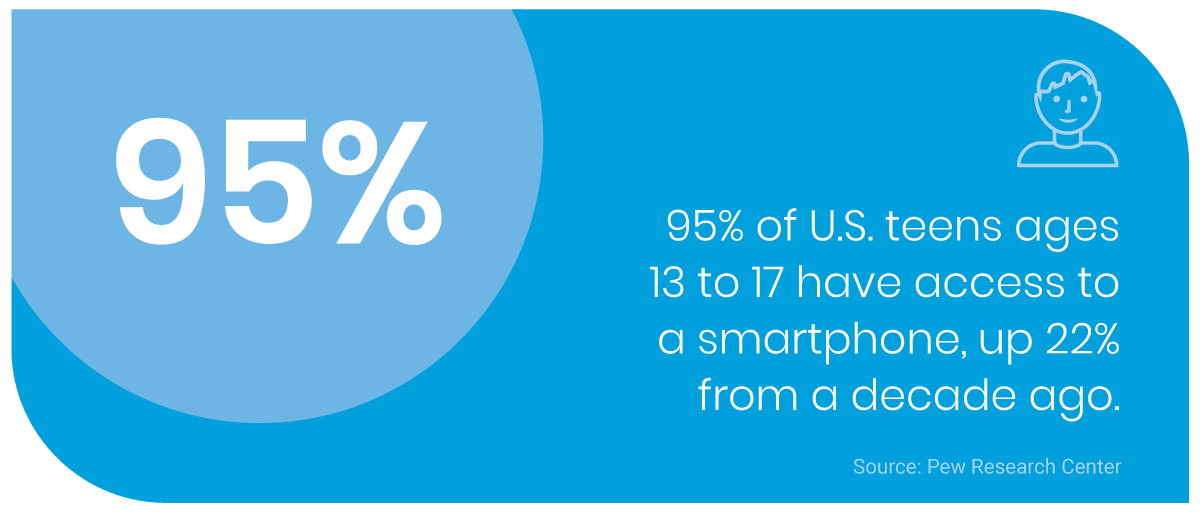
- 95% of U.S. teens ages 13 to 17 have access to a smartphone, up 22% from a decade ago. Mobile adoption continues to expand among younger generations, reinforcing the importance of reaching Gen Z consumers through mobile-first channels (Pew Research Center).
- The average American household had 21 connected devices in 2023. From smartphones and tablets to smart TVs and wearables, consumers are engaging across a growing ecosystem of connected technology (Deloitte).
- 72% of marketers target Millennials, while 36% focus on Gen Z audiences. Younger, mobile-native generations remain a primary focus for brands looking to drive engagement and long-term loyalty (HubSpot).
With mobile adoption at record levels and investment continuing to grow, the next step is understanding how consumers actually use their devices in everyday life.
Statistics on Mobile Consumer Behavior
A successful mobile marketing strategy starts with understanding how consumers actually use their devices. Smartphones have transformed into the primary gateway to search, social media, streaming, shopping, and communication.
Consumer expectations have also shifted. Speed, convenience, and seamless user experience now influence purchasing decisions more than ever.
The following mobile consumer behavior statistics highlight how people browse, shop, and interact with brands on their devices in 2026.
- 63% of global internet traffic comes from mobile devices. Mobile phones now generate the majority of the world’s web traffic, reinforcing the importance of mobile-first websites and digital campaigns (Consumer Affairs).
- Over half of mobile search traffic comes from Google Chrome. Browser preferences influence how users experience your website, making cross-browser optimization critical for visibility and usability (Statista).
- 57% of Americans say they feel “addicted” to their phones. On average, users spend 4 hours and 39 minutes per day on their devices and check them 205 times daily, creating frequent opportunities for brands to engage (Consumer Affairs).
Pro Tip
Prioritize mobile content that delivers value quickly. Short-form copy, clear headlines, and prominent calls to action can help you capture attention during the brief, repeated moments when users check their phones throughout the day.
- Americans primarily use smartphones for streaming TV, work-related tasks, streaming movies, and browsing social media. Mobile devices have evolved beyond communication tools into tools for entertainment and productivity (Consumer Affairs).
- 74% of users say they’re more likely to return to a website that is optimized for mobile. Additionally, 67% say they’re more likely to purchase from a company whose mobile website is easy to use, highlighting the direct link between user experience and revenue (HubSpot).
- Consumers worldwide spend 100 billion hours on mobile shopping apps. Shopping has become one of the most popular mobile activities, demonstrating how smartphones influence purchasing behavior at scale (NewStore).
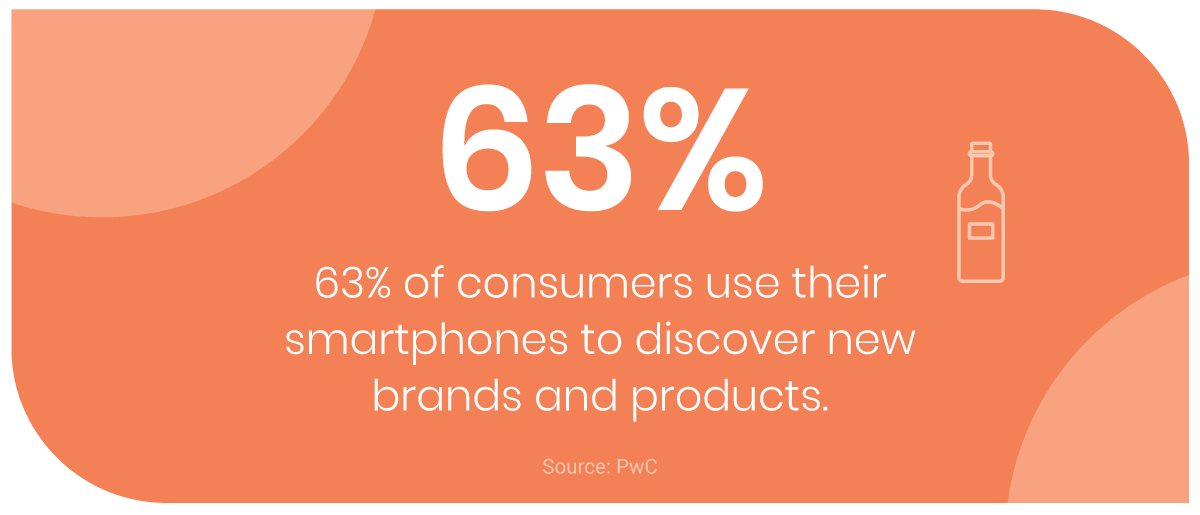
- 63% of consumers use their smartphones to discover new brands and products. Mobile devices now serve as primary research tools during the buyer journey, especially in the awareness and consideration stages (PwC). Businesses that use high-quality prospect data can improve visibility during these discovery moments.
- The average mobile transaction value is $120, up 20% since 2023. Consumers are not just browsing on mobile; they’re spending more per transaction, signaling increased trust and comfort with mobile purchasing (Mobiloud).
As consumer attention and purchasing activity continue to shift toward smartphones, marketing budgets are increasingly following that momentum.
Mobile Advertising Statistics
As mobile usage increases, advertising dollars continue to follow. Businesses are allocating larger portions of their digital marketing budgets to mobile ads, social platforms, in-app placements, and SMS campaigns.
Understanding mobile advertising spend and performance benchmarks can help you evaluate how your own campaigns compare. The following mobile advertising statistics reveal where brands are investing and how consumers are responding.
- Mobile ads are projected to account for 69.61% of global digital ad spend by 2028. As consumers spend more time on smartphones, advertisers are prioritizing mobile placements over desktop, making mobile the dominant force in digital advertising (Statista).
- Marketers spent more than $140 billion on mobile social media advertising worldwide in 2023. Social platforms remain one of the largest drivers of mobile ad investment, reflecting where audiences are most engaged (Statista).
- The United States leads global mobile ad spend at $233 billion annually, followed by China at $163 billion. These figures highlight the scale of competition in major markets and the importance of strategic targeting to maximize return (Statista). In competitive markets, precise audience segmentation becomes critical to maximizing return.
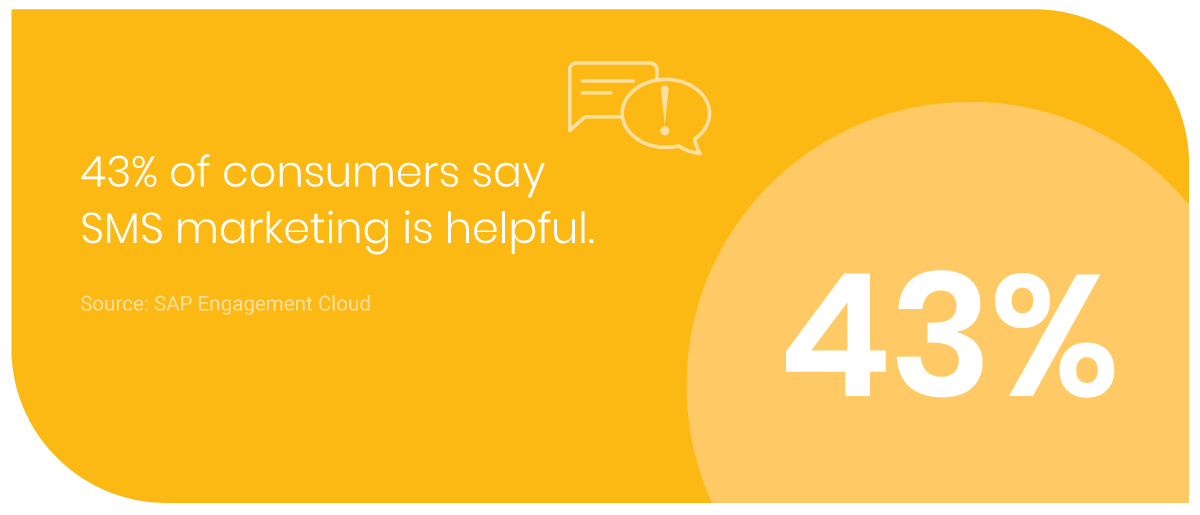
- 43% of consumers say SMS marketing is helpful. While often underestimated, text message marketing continues to deliver value for brands that use it strategically (SAP Engagement Cloud).
- 10.5% of marketers report messaging apps as one of their biggest ROI drivers. Direct communication channels, including SMS and messaging platforms, are proving effective for customer engagement and conversions (HubSpot).
- 79% of consumers opt in to receive marketing texts from businesses they’ve interacted with when asked. Opt-in rates remain strong when trust and relevance are established, making SMS a high-engagement mobile channel (Simple Texting).
Pro Tip
Use SMS and messaging campaigns selectively and strategically. Because these channels feel more personal than other forms of outreach, relevance, timing, and audience segmentation matter even more for maintaining trust and engagement.
While paid mobile advertising captures attention at scale, owned channels like email remain essential for nurturing relationships and driving long-term return on investment.
Mobile Email Marketing Statistics
Email remains one of the highest-performing digital marketing channels, and much of that engagement now happens on mobile devices. Consumers frequently check email on their smartphones throughout the day, making mobile optimization essential.
From open rates to user experience design, these mobile email marketing statistics show how device preferences can impact your campaign performance and ROI.
- B2C brands report email marketing as their top ROI-generating channel. Despite the growth of social and paid advertising, email remains one of the most reliable drivers of return on investment (HubSpot).
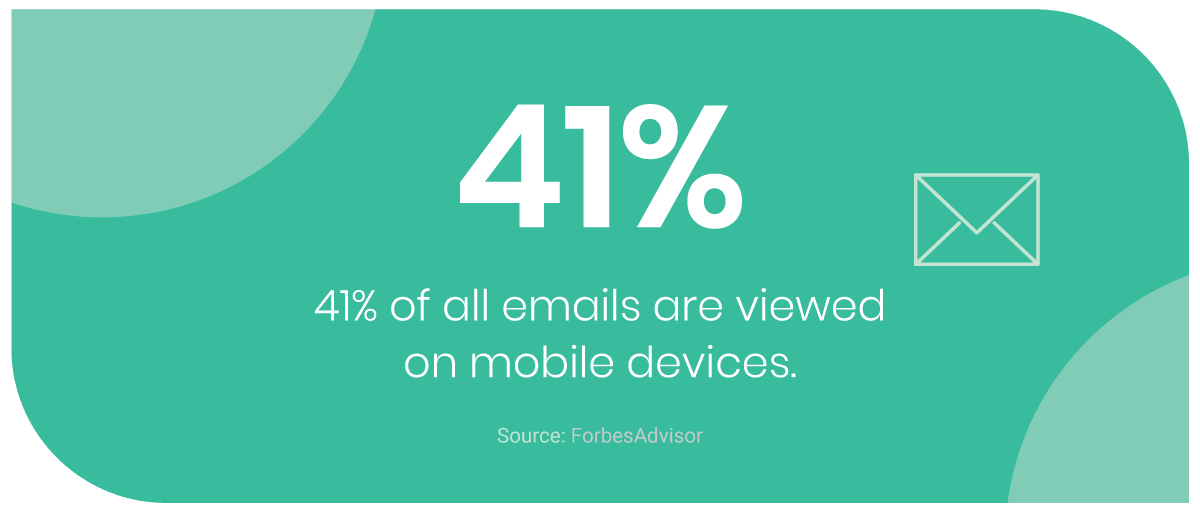
- 41% of all emails are viewed on mobile devices. Nearly half of email engagement now happens on smartphones, making mobile optimization a business necessity rather than an option (ForbesAdvisor).
- 35% of email marketers use a mobile-first design process, while 44% still do not optimize their campaigns for mobile. Brands that fail to prioritize mobile responsiveness risk losing engagement and conversions due to poor user experience (Litmus, ForbesAdvisor).
Pro Tip
Keep mobile email design simple and conversion-focused. Short subject lines, concise body copy, and clear buttons can make it easier for readers to engage without friction on smaller screens.
- Apple Mail is the most popular mobile email client, with the majority of mobile email opens occurring on iPhones. Understanding device and client preferences helps marketers test formatting and ensure compatibility across platforms (Litmus).
- 62% of recipients will ignore an email if it contains errors or is difficult to read. Formatting, clarity, and usability significantly impact engagement, especially on smaller mobile screens (Dyspatch).
As mobile-optimized email campaigns drive engagement, they also influence purchasing behavior, particularly in the rapidly expanding world of mobile commerce.
Statistics on Mobile Ecommerce
Mobile commerce, or mCommerce, has transformed the way consumers shop. From researching products to completing purchases, smartphones now play a central role in online buying behavior.
As retailers and service providers adapt to mobile-first customers, understanding transaction trends and purchasing habits is critical, as illustrated in the following statistics.
- By 2027, 62% of retail sales are expected to come from mobile commerce. Mobile devices are projected to drive the majority of retail transactions, signaling a long-term shift in consumer purchasing habits (ForbesAdvisor).
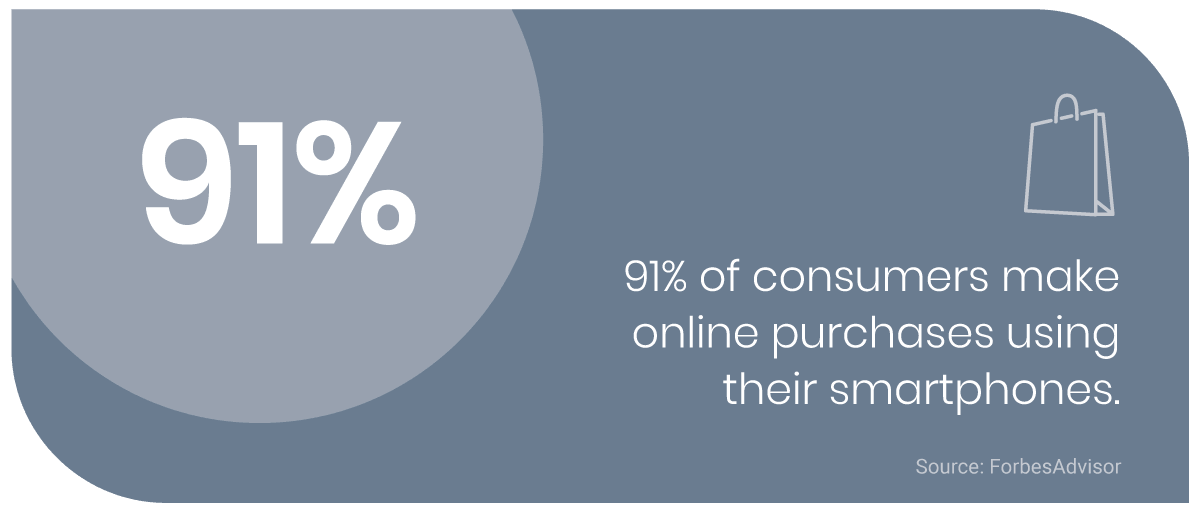
- 91% of consumers make online purchases using their smartphones. Mobile buying is no longer occasional; it’s mainstream behavior across age groups and industries (ForbesAdvisor). Combining strong mobile experiences with targeted prospect outreach helps convert browsing into buying.
- 63% of mobile users are more likely to purchase from brands with a user-friendly mobile app and website. Ease of navigation, speed, and design directly impact conversion rates and brand loyalty (Google).
- 42% of mobile purchases are influenced by social media. Social platforms increasingly serve as discovery and conversion channels, blending content consumption with direct buying opportunities (Mintel).
To stay competitive in a mobile-first economy, many businesses are now integrating artificial intelligence into their marketing strategies.
Artificial Intelligence (AI) Mobile Marketing Statistics
AI is rapidly influencing how brands execute mobile marketing strategies. From content generation and predictive targeting to AI-powered voice assistants and mobile apps, automation is reshaping engagement.
The following AI mobile marketing statistics highlight how quickly adoption is accelerating and where the market is headed.
- Over 80% of marketers report using large language models (LLMs) for content creation. AI tools are becoming mainstream in marketing workflows, helping teams produce copy, campaign assets, and messaging at scale (HubSpot).
- The global AI market is projected to reach $1,339 billion by 2030. Rapid investment growth signals long-term expansion across industries, including mobile advertising and personalization technologies (ForbesAdvisor).
- 92% of businesses say they plan to invest in generative AI tools in the coming years. Organizations are prioritizing AI to improve efficiency, enhance customer experiences, and gain competitive advantages (McKinsey).
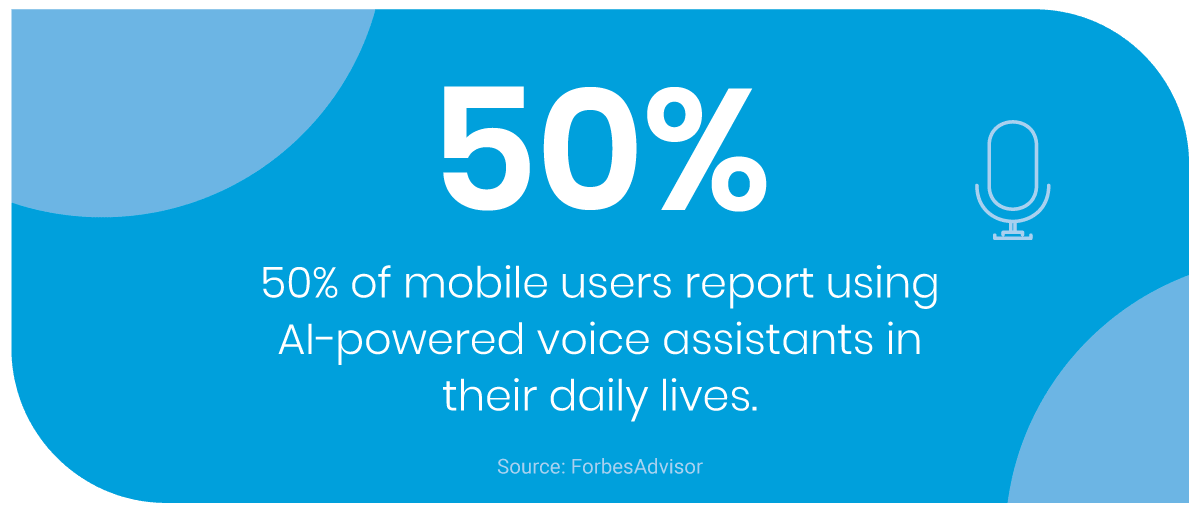
- 50% of mobile users report using AI-powered voice assistants in their daily lives. From product searches to local business inquiries, AI assistants are influencing how consumers interact with brands (ForbesAdvisor).
- Consumers spent $1.42 billion on AI mobile apps between 2023 and 2024. AI-powered mobile applications are generating significant consumer spending, reflecting growing demand for intelligent tools and personalized experiences (Statista).
Beyond AI, broader shifts in technology, connectivity, and consumer expectations continue to shape the future of mobile marketing.
Mobile Marketing Trends and Projections
Mobile marketing continues to evolve as consumer expectations, technology, and digital infrastructure advance. Faster connectivity, smarter devices, and increased reliance on smartphones are reshaping how businesses reach and engage their audiences. These mobile marketing trends and projections provide insight into how the landscape is expected to shift in the coming years.
What Is the Future of Mobile Marketing?
The future of mobile marketing is:
- Mobile-first
- Data-driven
- Increasingly automated
As smartphone usage remains dominant, businesses are expected to prioritize mobile-optimized websites, app experiences, and targeted messaging strategies that meet consumers in real time.
How Will Technology Shape Mobile Marketing?
Emerging technologies are expected to play a major role in mobile marketing growth. Expanded 5G connectivity improves page load speeds, video streaming quality, and app performance, all of which directly influence user engagement and conversion rates.
At the same time, mobile payments, digital wallets, voice search, and augmented reality shopping experiences are becoming more common. These innovations are reducing friction in the buyer journey and creating new opportunities for businesses to connect with consumers.
Why Businesses Should Monitor Mobile Marketing Trends
Understanding mobile marketing statistics and projections helps businesses make informed decisions about budget allocation, targeting strategies, and technology investments. Companies that adapt early are better positioned to compete.
Monitoring trends also helps businesses anticipate shifts in consumer expectations. Mobile users increasingly expect fast-loading pages, seamless checkout experiences, and relevant messaging, standards that will only continue to rise.
Final Thoughts
Looking ahead, mobile marketing is transforming into the foundation of modern digital strategy. From consumer discovery and engagement to advertising investment and online purchases, smartphones influence nearly every stage of the buyer journey.
These mobile marketing statistics for 2026 make one thing clear: businesses that prioritize mobile optimization, targeted messaging, and data-driven personalization are better positioned to compete in an increasingly mobile-first economy.