
In today’s crowded digital landscape, buyers are bombarded with a constant barrage of emails, LinkedIn connection requests, and automated sequences. As inboxes overflow and messaging becomes increasingly generic, even once-effective outreach channels have started to fade into the background noise. Prospects are tuning out anything that feels mass-sent or impersonal, making it harder than ever to capture attention and drive engagement. But there is a better way.
By embracing a multichannel sales prospecting method, one that strategically incorporates tangible, high-touch methods like phone calls, direct mail, and live events alongside digital tactics, teams can break through the clutter and connect with buyers on their terms.
Continue reading this blog, where you’ll learn how to choose the right sales prospecting methods and channels based on buyer context and behavior, when to deploy analog touches for maximum impact, and which common tactics to deprioritize or avoid entirely.
Why Most Sales Prospecting Methods Get Ignored
Here’s an easy way to understand why your current methods aren’t working:
- Start by auditing your team’s results from a recent month.
- Then tag each reply or meeting booked by the first-touch channel that sparked the conversation.
This simple exercise will quickly expose which methods are opening doors and accelerating deals in your specific market and which are generating more busy work than pipeline.
The most successful prospecting strategies share a common thread: they match channel choice to account value, buyer seniority, and engagement signals.
Instead of defaulting to email for every prospect, high-performing teams layer in:
- Phone calls
- Direct mail
- Event invitations (when the opportunity justifies the investment)
This deliberate approach ensures that your most valuable prospects receive the attention they deserve and that your team’s time isn’t wasted on tactics that don’t move the needle.
Which Channel Fits Your Buyers and Deal Size?
Choosing the right channels isn’t a one-size-fits-all decision. The best sales prospecting methods for your team will depend on who you’re targeting, how much each deal is worth, and how quickly the prospect needs a solution.
Start by evaluating each prospecting scenario through three lenses:
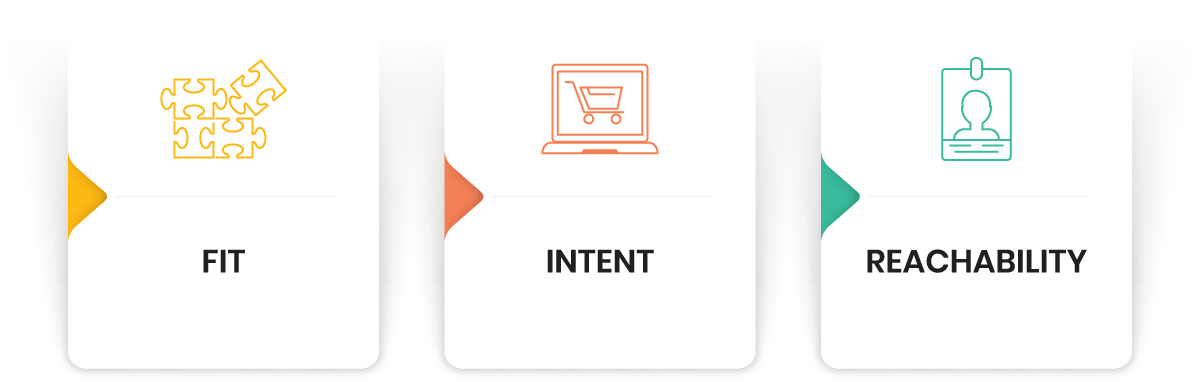
- Fit: How well does this account match your Ideal Customer Profile (ICP)? What’s the potential deal size?
- Intent: What buying signals is this prospect showing? Have they visited your site, clicked an email, or asked for info?
- Reachability: Do you have accurate, up-to-date contact info for this channel, and are your targets likely to engage with it?
Pro Tip
Let deal size dictate channel weight. As Annual Contract Value (ACV) and decision-maker count increase, layer in at least one analog touch early to reduce the risk of being ignored; for smaller deals, prioritize fast, intent-driven digital outreach.
Can You Reach Prospects Reliably by Phone?
In the age of caller ID and overflowing inboxes, many sales reps have written off phone prospecting as a lost cause. But when done right, calling remains one of the fastest ways to reach decision-makers. The key is knowing when a call will be welcomed and when it will just annoy your prospect.
Phone outreach works best when you have three things in place:
- Accurate contact data
- A relevant reason to call
- Enough context to personalize the conversation
Without these elements, you’re essentially cold-calling, and the results will reflect it.
Pro Tip
The most successful reps treat every dial as a “warm” call, even if it’s the first touch. Instead of launching into a blind pitch, find a relevant reason to reach out and tailor the conversation to the buyer’s goals.
Warm Calling Best Practices
Here’s how to make your prospecting calls more productive:
- Reference a real trigger event in the first 10 seconds, such as a website visit, content download, tradeshow chat, or mutual connection.
- Lead with a concise problem-to-outcome statement that piques their interest.
- Ask a specific question the buyer can answer with a quick “yes” or “no” to earn permission to keep talking.
- Lock in the next step with a calendar invite before hanging up.
- Log your call results immediately and track which triggers and talk tracks drive the most conversions.
Why It Matters
Thoughtful pre-call research and a tailored talk track show respect for your prospect’s time and make them far more likely to take your next call or email. Rushed, generic calls do the opposite. When you demonstrate that you’ve done your homework and understand their business context, you transform a cold interruption into a welcome conversation.
When Does Direct Mail Beat Digital?
In the rush to digitize everything, many sales teams have forgotten the power of tangible outreach. But in a world of overflowing inboxes and robocalls, a well-crafted direct mail piece can cut through the noise and get your message in front of hard-to-reach decision-makers.
Direct mail works best in specific situations:
- When you’re targeting high-value accounts with a significant deal size (generally $10,000+ ACV)
- When your key contacts have crowded inboxes and are tough to reach by email or phone
- When you can tie your mailer to a specific pain point with messaging that feels personally relevant
Here’s how you can properly prepare for a direct mail campaign:
- Consider your costs and timeline. Printing, postage, and fulfillment can add up quickly, so make sure your expected ROI justifies the spend. And since mail takes longer to deliver than a digital touch, build in extra buffer time for your campaign.
- Plan your format and level of personalization. In general, the higher the target account value, the more you can invest in customization and creativity. A bulky, dimensional mailer with account-specific messaging will get noticed, but a simple postcard or letter can also work if the copy is on point. Whatever you send, tie it to a clear next step: scheduling a demo, taking a short survey, or booking a discovery call.
Pro Tip
Lead with an email or social media message and then follow up with a mailer once you’ve seen some engagement. A “saw this and thought of you” note paired with a tactile reminder of your value proposition can be the perfect nudge to get a stalled conversation moving again.
Are Live Events Worth Your Prospecting Time?
Trade shows, conferences, and industry meetups offer something digital channels can’t: face-to-face interaction with prospects who are actively exploring solutions. But live events also demand significant time and budget, so it’s critical to choose the right ones and show up with a clear plan.
Before you commit to an event, ask yourself:
- Will my ideal buyers be there?
- Is the audience senior enough to make or influence purchasing decisions?
- Do I have a compelling reason for them to stop by my booth or attend my session?
If the answer to all three is yes, live events can be one of your highest-ROI prospecting channels. You’ll have the chance to build rapport, qualify opportunities, and schedule follow-up meetings all in a matter of hours. Plus, the in-person connection creates a warmer foundation for your post-event outreach.
To maximize your event ROI, focus on quality over quantity:
- Pre-register and reach out to high-priority attendees before the event to schedule meetings.
- Bring something of value to share, like a research report, diagnostic tool, or exclusive insight.
- Capture contact info and key conversation notes immediately after each interaction.
- Follow up within 48 hours while the conversation is still fresh.
- Track which events generate the most pipeline and double down on those in future quarters.
Pro Tip
Live events work best when they’re part of a broader multichannel strategy. Use email and social to warm up prospects before the event, then leverage your in-person interaction to accelerate the conversation and move deals forward.
How Should You Sequence Multichannel Touches?
Once you’ve identified the right channels for your target accounts, the next question is: in what order should you deploy them? The answer depends on your initial point of contact and the engagement signals you’re seeing.
A well-sequenced prospecting cadence layers digital and analog touches strategically, using each interaction to build momentum and earn the next conversation. The goal is to create multiple opportunities for your prospect to engage without overwhelming them or coming across as pushy.
What to Do if Phone Reach is High
When you have accurate direct dials and your prospects are known to answer their phones, lead with a call.
Why This Matters
A live conversation is the fastest way to qualify an opportunity, surface objections, and schedule a meeting. Follow up with an email recap that reinforces your key points and includes a calendar link for next steps.
If you don’t connect on the first attempt:
- Leave a brief voicemail that references a specific trigger event and promises value.
- Then send a follow-up email within an hour that mirrors your voicemail message and offers an easy way to respond.
- Space your subsequent touches 2–3 days apart, alternating between phone and email to maximize your chances of breaking through.
What to Do if Inbox Engagement is Strong
When your prospects are actively opening and clicking your emails, prioritize digital touches early in your sequence:
- Start with a personalized email that addresses a specific pain point and offers a clear next step.
- If they engage but don’t respond, follow up with a LinkedIn connection request or message that adds new context or insight.
- After 2–3 digital touches, introduce an analog element, like a phone call or direct mail piece, to differentiate yourself and signal higher intent.
This shift in channel often re-engages prospects who were interested but not quite ready to commit. The key is to make each touch feel like a natural progression, not a random interruption.
In the next section, you’ll learn how to spot when your prospecting strategy isn’t working.
Signs You’re Misallocating Prospecting Effort
Even the best sales prospecting method can go off track if you’re not paying attention to the right signals. Here are the warning signs that your team is wasting time on low-impact activities:
- Your reps are making dozens of dials per day but booking few meetings. This usually means your contact data is stale, your targeting is off, or your talk track isn’t resonating.
- Email open rates are high but reply rates are low. Your subject lines are working, but your message isn’t compelling enough to drive action.
- You’re investing heavily in events but seeing little pipeline. You may be attending the wrong conferences, failing to pre-schedule meetings, or not following up quickly enough.
- Your team is spending more time on outreach than on discovery and demos. This suggests your prospecting methods aren’t efficient enough to generate qualified opportunities at scale.
- Prospects are engaging with your content but not converting to meetings. You’re attracting interest but failing to create urgency or demonstrate clear value.
If any of these patterns sound familiar, it’s time to audit your channel mix and reallocate resources toward the tactics that are driving pipeline.
Next up: We’ll show you which prospecting channels you should deprioritize.
What Should You Deprioritize or Ignore?
Not every prospecting channel deserves a place in your playbook. Some tactics consume time and budget without delivering meaningful results, especially in today’s noisy digital environment.
Here are the sales prospecting methods most teams should deprioritize or avoid entirely:
- Mass email blasts with no personalization. Generic, one-size-fits-all messages get ignored or marked as spam. If you can’t tailor the message to the recipient, don’t send it.
- Cold outreach on platforms where your buyers aren’t active. If your prospects don’t use Twitter or Instagram for work, don’t waste time trying to reach them there.
- Expensive gifts or gimmicks with no clear business relevance. A branded stress ball or coffee mug won’t win you a meeting. Save your budget for high-value accounts where a thoughtful, personalized gift can make a real impact.
- Automated sequences that run indefinitely without human oversight. Set-it-and-forget-it cadences often do more harm than good, especially if they keep pinging prospects who have already opted out or gone dark.
- Prospecting channels that require specialized skills your team doesn’t have. If your reps aren’t comfortable on video or don’t know how to work a trade show booth, invest in training first or choose a different channel.
Remember, your goal isn’t to do everything. It’s to focus your energy on the channels that align with your buyers’ preferences, your team’s strengths, and your company’s resources. By saying no to low-impact tactics, you free up time and budget to invest in the methods that actually move the needle.
Next up: Learn how you can incorporate effective hybrid sales prospecting strategies.
Which Hybrid Strategies Do Buyers Notice?
The most effective prospecting strategies layer multiple channels, using a mix of digital and analog touches to break through the noise. But with so many options available, how do you decide which methods to prioritize?
- Run each potential channel through the decision filter we introduced earlier: Fit, Intent, and Reachability.
Why It Matters
By evaluating your options through these three lenses, you can zero in on the touchpoints that are most likely to drive results for your specific targets.
- In most cases, that will mean combining digital outreach like email and social with at least one tangible touch, like a phone call, direct mail piece, or live event, early in your sequence.
Why It Matters
This multichannel approach ensures that you’re not only reaching buyers where they are but also giving them multiple reasons to pay attention.
- Before you go all-in on a multichannel strategy, run a small, time-bound experiment to validate your assumptions.
Example
You might commit to a two-week test where you add one new analog touch to your existing digital sequences for a subset of high-priority accounts. Then, instead of tracking vanity metrics like open and click rates, measure the number of meetings booked per 100 accounts touched. If you see a meaningful lift in scheduled conversations, you can feel confident that your new approach is working and start to scale your investment.
By committing to a multichannel, digital-plus-analog strategy now, you give yourself time to test, optimize, and roll out a proven approach that will strengthen your pipeline in the months to come.
Conclusion
In a world of non-stop digital noise, the sales teams that rise above are the ones willing to diversify their prospecting mix. By combining email and social outreach with high-impact analog touches, and using intent data to make every interaction contextually relevant, you can book more meetings and build more pipeline. But multichannel sales prospecting methods only work when you have the right data fueling your efforts.
That’s where Salesgenie® comes in. With Salesgenie, you gain access to hyper-targeted lead lists enriched with accurate direct dials and email addresses, enhanced with intent data and custom triggers that make your outreach instantly relevant.
Ready to put multichannel prospecting to work for your team? Try Salesgenie today and get the data you need to make every touch count.
FAQs
Start by auditing your team’s results from a recent month and tag each reply or meeting booked by the first-touch channel that sparked the conversation. This will reveal which methods are opening doors in your specific market and which are generating busy work rather than pipeline.
Use phone calls when you have accurate contact numbers, a compelling reason to call, and can personalize the conversation based on their role and needs. For high-value accounts ($25,000+) with multiple decision-makers, include at least one phone call within the first week of outreach to stand out from digital noise.
Direct mail works best when targeting high-value accounts ($10k+ ACV), reaching contacts with crowded inboxes who are tough to reach digitally, and when you can tie the message to a specific pain point. Always ensure you have accurate postal addresses and include a clear, specific call to action.
Use the “Fit, Intent, Reachability” framework to select channels, then aim for a 70/30 mix of digital to analog touches for top-tier accounts. Start with lighter digital touches like email, then follow up with tangible methods like phone calls or direct mail to break through the noise.
Run a two-week experiment adding one new analog touch to your existing digital sequences for a subset of high-priority accounts. Measure meetings booked per 100 accounts touched rather than vanity metrics like open rates to determine if the multichannel approach is driving meaningful results.