Most small business owners chase new customers while ignoring the goldmine sitting right under their noses: the total value of their existing customer relationships. Customer lifetime value (CLV) is a powerful metric that estimates the total revenue a business can expect from a single customer account throughout the entire duration of their relationship. For small and medium-sized businesses (SMBs), understanding CLV transforms how you approach marketing, sales, and growth strategy. In this comprehensive guide, you’ll learn:
- How to calculate CLV using proven formulas and real examples
- Step-by-step processes for gathering and tracking customer data
- Practical strategies to increase CLV and boost profitability
- Common mistakes to avoid and how to implement CLV insights immediately
What is customer lifetime value and why it matters for your business
Customer lifetime value represents the total revenue you can expect from a single customer over the course of their entire relationship with your business. It’s the difference between thinking in terms of individual transactions versus long-term customer relationships.
For small businesses, CLV enables you to predict future revenue more accurately, make data-driven decisions about marketing spend, and develop customer retention strategies that drive sustainable growth. Instead of constantly chasing new leads, you can focus on nurturing relationships with your most valuable customers.
Think of it this way: would you rather have a customer who makes a single $100 purchase or a customer who spends $50 per month for two years? The lifetime value approach makes the answer clear: the repeat customer generates $1,200, compared to the one-time buyer’s $100.
By shifting your mindset from one-time sales to lifetime value thinking, you can transform your business strategy. This leads to more stable cash flow, higher return on investment from marketing efforts, and ultimately, profitable growth for your business.
The complete customer lifetime value formula with example calculations
The core CLV formula is refreshingly simple: Average Order Value × Purchase Frequency × Customer Lifespan. Average order value is the typical amount a customer spends per transaction. Purchase frequency measures how often they purchase within a given timeframe. Customer lifespan represents how long they remain an active customer.

Let’s walk through detailed examples covering different business models to make this formula crystal clear. Each example shows how to gather the necessary data and avoid common calculation mistakes that can lead to poor decision-making.
The exact calculation method depends on your specific business model, but the underlying principle remains consistent. Whether you’re running a subscription service, retail store, or service-based business, understanding these variables helps you predict revenue and optimize customer relationships.
Remember to base your calculations on real data whenever possible. Overestimating purchase frequency or underestimating customer lifespan can lead to inflated CLV numbers that result in poor spending decisions and unrealistic growth projections.
B2B customer lifetime value calculation example
Consider a consulting firm that specializes in digital marketing services. Their average client contract is worth $5,000 per month, clients typically engage services for 18 months, and 70% of clients renew for additional projects averaging $3,000.
The basic CLV calculation would be: $5,000 × 12 months × 1.5 years = $90,000. However, factoring in renewal rates and expansion revenue provides a more accurate picture: $90,000 + (0.70 × $3,000) = $92,100 per client.
This B2B example demonstrates how contract values, renewal rates, and expansion opportunities significantly impact CLV calculations. Service-based businesses often see higher CLV numbers due to ongoing relationships and the potential for expanded engagements.
B2C customer lifetime value calculation example
An e-commerce clothing retailer has an average order value of $85, customers purchase 3.2 times per year, and the typical customer relationship lasts 2.5 years. The CLV calculation: $85 × 3.2 purchases × 2.5 years = $680.
However, this retailer noticed seasonal purchasing patterns affect their calculations. Spring and summer orders average $95, while fall and winter orders average $75. They also discovered customers who purchase across multiple product categories have a 40% longer lifespan.
By segmenting customers based on seasonal behavior and product preferences, this retailer can create more accurate CLV predictions and targeted marketing campaigns that account for these purchasing patterns.
How to calculate CLV for small business (step-by-step process)
Breaking down CLV calculation into manageable steps makes it accessible for resource-constrained teams. Start by identifying your existing data sources: CRM systems, accounting software, e-commerce platforms, and even spreadsheets where you track customer interactions.
Next, gather customer purchase history including transaction dates, amounts, and items purchased. If you have a small customer base, export this data and merge it in a spreadsheet. For larger datasets, you may need technical assistance to consolidate information from multiple sources.
Clean and organize your data by removing duplicates, standardizing formats, and grouping transactions by customer. When data gaps exist, use reasonable estimates based on available information rather than leaving calculations incomplete.
Finally, calculate your key metrics and plug them into the CLV formula. Remember that CLV calculation is an ongoing process, not a one-time exercise. Plan to recalculate quarterly or whenever you make significant changes to pricing or product offerings.
Gathering your customer data for accurate CLV calculations
Start by auditing all systems where customer information is stored: point-of-sale systems, email marketing platforms, customer service tools, and manual tracking spreadsheets. Create a comprehensive list of available data sources before beginning extraction.
Focus on collecting essential data points: customer identification, purchase dates, transaction amounts, and product categories. If you’re missing historical data, establish processes to capture this information going forward while using estimates for past periods.
Clean your data by standardizing customer identifiers, removing test transactions, and ensuring date formats are consistent. Address incomplete records by either filling gaps with reasonable estimates or excluding problematic data from your initial calculations.
Setting up ongoing CLV tracking systems
Create a simple dashboard using tools you already have: Excel, Google Sheets, or basic CRM reporting features. Track key performance indicators alongside CLV: average order value trends, purchase frequency changes, and customer lifespan variations.
Establish a regular review schedule to recalculate CLV and monitor changes over time. Monthly tracking works well for fast-moving businesses, while quarterly reviews suffice for companies with longer sales cycles or seasonal patterns.
Set up automated alerts for significant CLV changes or when individual customers cross important value thresholds. This enables proactive outreach to high-value customers and early intervention for those showing declining engagement patterns.
CLV vs CAC ratio explained (and why it’s critical for SMB budgeting)
Customer Acquisition Cost (CAC) represents the total expense required to acquire a new customer, including marketing spend, sales costs, and onboarding expenses. The relationship between CLV and CAC determines the profitability and sustainability of your customer acquisition efforts.
A healthy CLV:CAC ratio typically ranges from 3:1 to 5:1, meaning each customer should generate three to five times more revenue than it costs to acquire them. Ratios below 3:1 suggest you’re spending too much on acquisition, while ratios above 5:1 might indicate missed growth opportunities.
This ratio guides critical business decisions about marketing budget allocation, customer acquisition channels, and growth strategies. Understanding your CLV:CAC ratio helps you determine how much you can afford to spend acquiring new customers while maintaining profitability.
Industry benchmarks vary significantly, but service-based businesses often see higher ratios due to recurring revenue models, while retail businesses typically operate with lower ratios due to one-time purchase patterns and higher acquisition costs.
Calculating your CLV to CAC ratio
Calculate CAC by dividing total acquisition costs by the number of new customers acquired in the same period. Include all marketing expenses, sales team costs, advertising spend, and promotional offers used to attract new customers.
For example, if you spent $10,000 on marketing last quarter and acquired 50 new customers, your CAC is $200. With a CLV of $800, your ratio is 4:1, indicating healthy acquisition economics.
Monitor this ratio regularly and investigate significant changes. A declining ratio might signal increased competition, reduced marketing effectiveness, or changes in customer behavior that require strategic adjustments.
Proven strategies to increase customer lifetime value
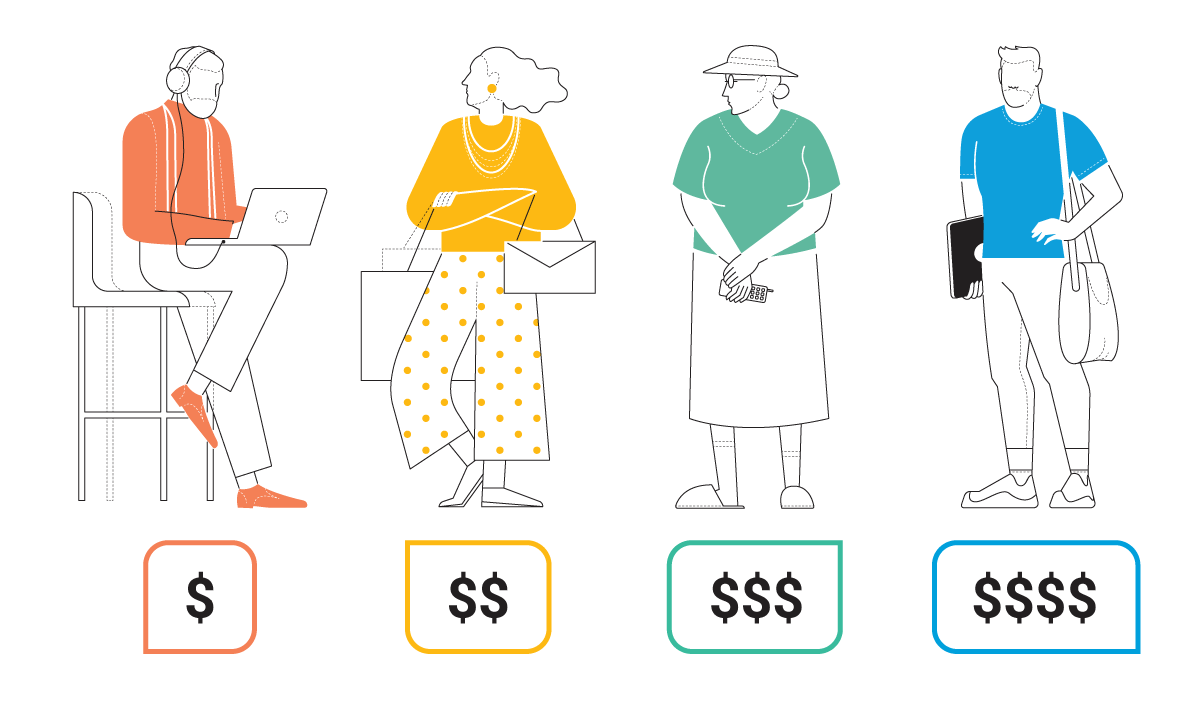
Focus on actionable tactics that deliver immediate impact while building long-term customer relationships. The most effective strategies align with your available resources and target the specific factors that drive CLV: order value, purchase frequency, and customer lifespan.
Start with low-effort, high-impact initiatives like refining your onboarding experience and implementing proactive customer success programs. These foundational improvements create better customer experiences that naturally extend relationships and increase purchase frequency.
Progress to targeted strategies like personalized upselling campaigns and segmented marketing efforts. These require more planning and resources but can significantly boost average order values and purchase frequency when executed effectively.
Consider high-impact initiatives like customer advisory programs and co-creation opportunities for your most valuable segments. While resource-intensive, these strategies foster deep loyalty and advocacy that can dramatically increase customer lifespan and referral value.
Customer retention strategies that boost CLV
Optimize your onboarding process to deliver immediate value and set clear expectations for the customer relationship. Create welcome sequences that educate new customers about your products, highlight key benefits, and provide easy access to support resources.
Implement proactive customer success approaches by monitoring usage patterns, reaching out before problems arise, and providing targeted resources based on customer behavior. Regular check-ins and value-driven communications keep your brand top-of-mind and demonstrate ongoing commitment to customer success.
Design loyalty programs that reward repeat purchases and long-term relationships. Consider tiered programs that offer increasing benefits based on lifetime spend, exclusive access to new products for top customers, or points-based systems that encourage frequent engagement.
Upselling and cross-selling tactics for higher order values
Time your upselling efforts strategically by identifying natural moments when customers are most receptive to additional offers. Post-purchase communications, renewal periods, and customer success milestones provide ideal opportunities for relevant suggestions.
Create product bundles and package deals that provide genuine value while increasing average order size. Position these offers as solutions to customer problems rather than sales tactics, focusing on how additional products enhance the core purchase.
Develop email sequences that nurture customers toward higher-value purchases over time. Use purchase history and behavioral data to make personalized recommendations that feel helpful rather than pushy, building trust while driving incremental revenue.
Personalization strategies using customer data
Segment customers based on purchase behavior, preferences, and value to create targeted marketing campaigns. High-value customers might receive exclusive offers and premium support, while newer customers get educational content and starter promotions.
Implement behavioral trigger campaigns that respond to specific customer actions: abandoned cart reminders, replenishment suggestions based on purchase cycles, or complementary product recommendations based on browsing history.
Use dynamic content in your marketing communications to show relevant products, offers, and messages based on individual customer profiles. This increases engagement rates and conversion while making customers feel understood and valued.
Using customer data and segmentation to maximize CLV
Quality customer data serves as the foundation for accurate CLV calculations and effective optimization strategies. The better you understand your customers’ behaviors, preferences, and patterns, the more precisely you can predict and influence their lifetime value.
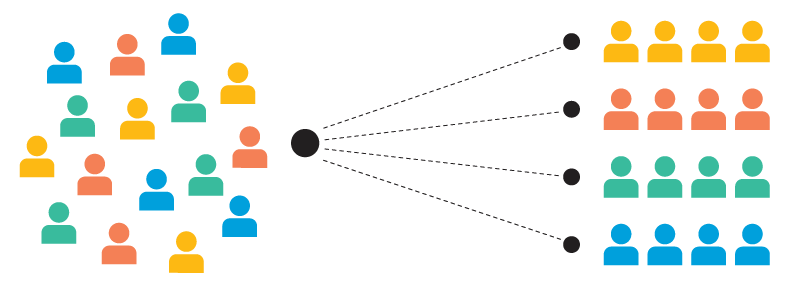
Effective segmentation reveals distinct customer groups with different value profiles, enabling targeted strategies that maximize CLV for each segment. Rather than treating all customers the same, you can allocate resources and customize experiences based on each group’s potential value and needs.
Connect data insights to actionable marketing campaigns that drive specific CLV improvements. Use segmentation data to create targeted retention campaigns, personalized upselling sequences, and value-driven content that strengthens customer relationships over time.
Position data quality as an ongoing investment rather than a one-time project. As your customer base grows and evolves, your data collection and analysis capabilities should scale accordingly to maintain CLV optimization effectiveness.
Identifying your highest-value customer segments
Analyze customer data to identify patterns that correlate with high CLV: purchase frequency, order values, product categories, acquisition channels, and engagement behaviors. Look for combinations of factors that predict long-term value rather than single metrics alone.
Create actionable customer personas based on CLV data rather than traditional demographic information. Focus on behavioral characteristics, value drivers, and lifecycle patterns that help you predict and influence future purchasing decisions.
Use tools like RFM analysis (Recency, Frequency, Monetary) to score customers and identify your most valuable segments. This approach helps prioritize marketing efforts and resource allocation based on demonstrated customer value rather than assumptions.
Targeted campaigns for different CLV segments
Develop campaign strategies tailored to high, medium, and low CLV customer segments. High-value customers might receive premium experiences and exclusive access, while emerging customers get education and engagement-focused content.
Implement multi-channel approaches that reach customers through their preferred communication methods: email for detailed information, direct mail for high-touch experiences, and digital ads for timely reminders and offers.
Measure campaign effectiveness specifically on CLV improvement rather than just immediate sales results. Track how different campaigns influence customer lifespan, purchase frequency, and order values to optimize your approach over time.
Customer lifetime value calculator template
A comprehensive CLV calculator template simplifies the calculation process and ensures consistency across different business models. The template includes multiple calculation methods, industry-specific modifications, and guidance for interpreting results.
Customize the calculator for your specific business by adjusting time periods, adding relevant variables, and incorporating industry-specific factors. Subscription businesses might include churn rates, while retail businesses might factor in seasonal variations.
Use the calculator to model different scenarios and test the impact of various CLV improvement strategies. This helps you prioritize initiatives based on their potential impact and resource requirements before implementation.
The template also includes guidance on data collection, common calculation mistakes, and next steps for acting on your CLV insights to ensure you get maximum value from your analysis efforts.
How to customize the calculator for your business model
Modify the template for subscription businesses by incorporating monthly recurring revenue, churn rates, and expansion revenue from upsells. Service businesses should factor in contract lengths, renewal rates, and project-based revenue variations.
Retail businesses need to account for seasonal purchasing patterns, product lifecycle impacts, and category-specific behaviors. E-commerce businesses should include shipping costs, return rates, and digital marketing attribution in their calculations.
Advanced features allow businesses with multiple product lines to calculate CLV by category, channel, or customer segment. This granular analysis reveals opportunities for targeted improvements and resource allocation optimization.
Common CLV mistakes small businesses make (and how to avoid them)
Many businesses overestimate purchase frequency by assuming customers buy more often than they actually do. Base frequency calculations on actual transaction data rather than wishful thinking or industry averages that may not apply to your specific situation.
Another common error is underestimating customer acquisition costs, which distorts CLV:CAC ratios and leads to overspending on acquisition. Include all costs associated with acquiring customers: marketing spend, sales team time, onboarding expenses, and promotional discounts.
Businesses often calculate CLV once and never update it, missing important changes in customer behavior, market conditions, or business model evolution. Establish regular review cycles to keep your CLV calculations current and actionable.
Finally, many companies focus solely on increasing CLV without considering the costs and resources required for improvement initiatives. Always evaluate CLV optimization strategies based on their return on investment and alignment with overall business goals.
Taking action on your CLV insights
Transform CLV calculations into actionable business strategies by identifying your highest-impact improvement opportunities. Focus on initiatives that address the specific factors driving CLV in your business: retention, order value, or purchase frequency.
Prioritize quick wins that require minimal resources but deliver measurable CLV improvements. These early successes build momentum and demonstrate the value of CLV-focused strategies to stakeholders and team members.
Develop long-term CLV optimization plans that align with your business goals and growth strategy. Consider how CLV improvements support broader objectives like market expansion, competitive positioning, and profitability targets.
Create accountability by assigning ownership for CLV initiatives, establishing success metrics, and implementing regular review processes. This ensures CLV optimization becomes an ongoing business priority rather than a one-time analysis exercise.
Building a CLV-focused marketing strategy
Align marketing campaigns with CLV insights by investing more heavily in channels and messages that attract high-value customers. Use CLV data to inform creative development, audience targeting, and budget allocation decisions across all marketing activities.
Allocate resources based on customer value by providing premium experiences for high-CLV segments while optimizing efficiency for lower-value groups. This approach maximizes return on marketing investment while maintaining service quality.
Use CLV projections for long-term planning by modeling the impact of different growth scenarios, market changes, and strategic initiatives. This helps you make informed decisions about capacity, hiring, and investment priorities.
Quality customer data serves as the foundation for implementing CLV-driven marketing strategies effectively. Accurate, comprehensive customer information enables precise segmentation, personalized campaigns, and measurable results that drive continuous improvement in customer lifetime value.
Conclusion
Understanding and optimizing customer lifetime value transforms how small businesses approach growth, marketing, and customer relationships. Rather than chasing endless new customers, CLV-focused strategies help you maximize revenue from existing relationships while making smarter decisions about acquisition investments.
CLV is an ongoing process that requires regular calculation, analysis, and optimization as your business evolves. Start with the fundamentals: calculate your current CLV, identify improvement opportunities, and implement proven strategies that align with your resources and goals. Even small improvements in customer retention, order values, or purchase frequency can significantly impact your bottom line and long-term profitability.