
Your sales team is wasting time and money on prospects who will never buy from you. Geographic segmentation has become an indispensable strategy for modern sales teams looking to maximize their ROI and connect with high-value prospects. As the landscape of location-based targeting continues to evolve at a rapid pace, small and medium-sized businesses (SMBs) now have access to a wide array of sophisticated tools and data sources that were once exclusive to large enterprises.
The days when ZIP code targeting was the pinnacle of geographic precision have passed. Today, sales professionals can leverage advanced techniques like drive-time analysis, custom territory mapping, and geodemographic segmentation to identify and engage with their ideal customers. However, with this expanded toolkit comes a new set of challenges and considerations. From navigating data privacy regulations to adapting to the realities of a remote workforce, SMBs must approach geographic segmentation with a strategic mindset and a keen understanding of best practices.
Whether you’re a seasoned sales veteran or a business owner focused on growth, you’ll find actionable insights and practical frameworks to help you achieve measurable results, such as:
- Identifying and prioritizing high-potential geographic markets
- Designing efficient sales territories that maximize coverage and minimize waste
- Personalizing your outreach with location-specific messaging and offers
- Measuring and optimizing the ROI of your geographic targeting efforts
- Future-proofing your strategy to adapt to emerging trends and technologies
By mastering the art and science of geographic segmentation, you’ll be well-positioned to outperform your competitors, scale your customer acquisition efforts, and drive meaningful growth for your business.
Understanding Geographic Segmentation and Why It Matters More Than Ever
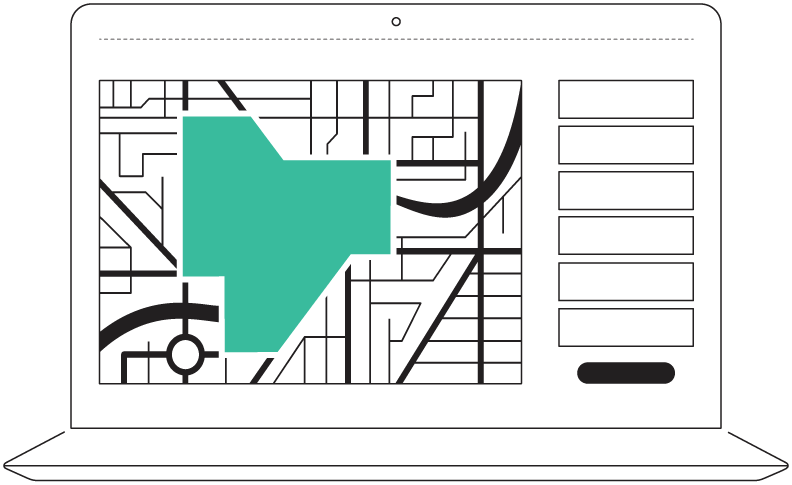
Geographic segmentation is a marketing strategy that divides a target market into smaller groups based on location. This could be as broad as targeting a specific country or region, or as granular as focusing on a particular ZIP code, neighborhood, or even a specific radius around your business. What works for customers in New York City might not resonate with customers in rural Texas.
Geographic segmentation isn’t just about creating more personalized marketing. It’s also about making the most of your limited resources as a small or medium-sized business. With more people working from home or on the go, traditional location data isn’t always an accurate predictor of where someone will be when they receive your message. Thanks to mobile number portability, even someone’s phone number might not reflect their current location.
By focusing your efforts on the geographic areas that are most likely to convert, you can avoid wasting time and money on less promising leads. Geographic segmentation helps you tailor your approach to meet the unique needs and preferences of each location.
The Evolution of Location-Based Targeting
Historically, geographic segmentation relied heavily on data points like ZIP codes, area codes, and census tracts. In recent years, the rise of remote work and mobile devices has changed the game. With more companies embracing remote work, the traditional approach to B2B targeting based on office locations is becoming less effective. This evolution may also require a more flexible approach to territory design. Sales reps might become responsible for larger geographic regions or industry verticals rather than specific local markets.
By staying up-to-date with the latest trends and best practices in location-based targeting, businesses can create more effective and efficient campaigns that drive real results in today’s complex and rapidly evolving market. For SMBs, adapting to these changes is crucial for maintaining a competitive advantage. While larger companies might have the resources to cast a wide net, SMBs need to be more precise.
Core Benefits for Small and Medium Businesses
For small and medium-sized businesses, geographic segmentation is more important than ever. With limited budgets and resources, precision matters. By leveraging precise geographic data, you can maximize your marketing budget by focusing on the areas with the highest concentration of potential customers. You can reduce wasted resources by avoiding areas that are unlikely to yield new clients. You can improve campaign ROI by creating locally relevant messaging that resonates with your target audience.
Geographic segmentation levels the playing field by allowing SMBs to compete not just on price or product, but on their ability to understand and serve the unique needs of their local markets. Whether you’re a brick-and-mortar retailer looking to drive foot traffic or an e-commerce business targeting specific regions for growth, geographic segmentation is an essential tool in your marketing arsenal.
The Modern Geographic Segmentation Toolkit: 11 Essential Criteria
When building your geographic segmentation strategy, consider these 11 essential criteria:
Traditional Geographic Boundaries
- Country, state, county, and city targeting represent the foundation of any location-based targeting strategy. These broad geographic divisions allow you to tailor your messaging and offerings to the unique needs and preferences of different regions.
- ZIP code targeting for direct mail campaigns remains valuable despite the limitations of ZIP codes in the digital age. By focusing your mailings on specific ZIP codes, you can reduce waste and improve response rates.
- Broad vs. granular geographic divisions require careful consideration. The right level of geographic granularity depends on your business goals and target audience. In some cases, broad targeting by state or region may be sufficient, while in others, you may need to focus on smaller areas.
Advanced Location-Based Targeting Methods
More sophisticated techniques include the following:
- Drive-time radius targeting for service-based businesses allows you to define your audience based on how long it takes to reach your location by car, rather than relying on arbitrary boundaries
- Custom polygons and territory mapping enable you to define your own geographic shapes based on factors like existing customer clusters, franchise territories, or delivery zones
- Metropolitan Statistical Area (MSA) and Core-Based Statistical Area (CBSA) targeting represents regions with high population density and economic ties, making them useful for targeting urban and suburban audiences
Demographic Overlays and Geodemographic Segmentation Examples
Additional approaches combine geographic and demographic data, such as:
- Combining income data with geographic boundaries helps you identify high-value prospects based on both location and purchasing power
- Census tract and block group targeting provides granular geographic data that can be combined with demographics like age, income, and household size
- Creating high-value prospect profiles using location and demographics merges multiple data points to create detailed profiles of your ideal prospects
- Using geographic data to inform content and messaging ensures your marketing resonates with local audiences
- Leveraging location-based data for sales territory optimization helps you map territories effectively and ensure balanced coverage
Common Geographic Segmentation Mistakes That Kill Campaign Performance
The Area Code Trap: Why Phone-Based Targeting Fails
For years, businesses have relied on area codes for quick location-based targeting. However, mobile number portability and VoIP systems have made this approach increasingly ineffective. This reality requires leveraging data on business locations, home addresses, or other specific geographic indicators to ensure you’re reaching prospects in the right areas.
ZIP Code Limitations in 2025
Targeting solely by ZIP code can lead to over- or under-serving certain regions. The key to effective ZIP code targeting is understanding the limitations of the data and using it in combination with other geographic and demographic indicators. This creates a more comprehensive and accurate picture of your target audience.
Ignoring Remote Workforce Realities
With distributed teams, office locations no longer define your ideal prospect. Addressing the complexities of remote work requires adapting your territory mapping and focusing on where decision-makers actually reside. This may require a more flexible approach that accounts for broader coverage across different regions.
Location-Based Prospecting Strategies That Actually Work
Effective location-based prospecting approaches help you identify high-value opportunities, optimize your outreach, and drive more conversions, such as:

Sales Territory Mapping Software Implementation
The first step in implementing a sales territory mapping tool is defining your territorial boundaries and determining your available sales resources. By combining these data points, marketers can create a more holistic and accurate picture of where their target customers are located and how to reach them effectively. Once you have balanced territories, the tool can reveal gaps or overlaps. This helps improve efficiency and streamline your sales processes.

Direct Mail Geographic Targeting Best Practices
To truly optimize your direct mail campaigns, you need to measure your results by geographic segment. Carrier route targeting, local events, and neighborhood-level personalization can all enhance the impact of your mailers. Ensure you track responses at the geographic level for each campaign.

Optimizing Digital Marketing with Location-Based Strategies
Email marketing plays an important role in your geographic prospecting efforts. Platforms like Google Ads and social media networks offer location-based targeting options that help you focus on specific regions. By aligning your online presence with local SEO best practices, you can further improve visibility and reach.
Advanced Geographic Segmentation Techniques for Growing SMBs
Advanced geographic segmentation techniques can help you take your targeting to the next level, for example:
Multi-Channel Geographic Campaigns
Coordinating across direct mail, digital, and phone outreach creates a consistent brand experience. By synchronizing messaging, you can increase engagement and conversions. To measure effectiveness, use consistent tracking methods across all channels.
Seasonal and Event-Based Geographic Targeting
Leveraging local events and weather patterns can create urgency and relevance. For example, if you sell outdoor gear, you can highlight specific activities tailored to regional climates. This adds a sense of timeliness to your marketing.
Competitive Geographic Analysis
Analyzing your competitors’ geographic footprint can help you identify underserved markets and opportunities to differentiate. Map out competitor locations, then pinpoint regions where your solutions might stand out.
Compliance and Privacy Considerations for Geographic Targeting
Key compliance and privacy considerations include:
Data Privacy Regulations by Location
Regulations such as CCPA, CPRA, and GDPR dictate how you collect, store, and use personal data. Violating these laws can lead to fines and damage your reputation.
Ethical Geographic Targeting Practices
Avoid discriminatory targeting by respecting sensitive attributes like race, religion, or orientation. Being transparent and giving users a clear opt-out mechanism helps maintain trust.
Compliance with CAN-SPAM and TCPA
Essential compliance practices include:
- Aligning your email and SMS outreach with consumer protection laws
- Providing recipients with clear ways to unsubscribe
- Obtaining explicit consent for commercial SMS messages
Measuring Geographic Segmentation Success
To measure the success of your geographic segmentation efforts and use data-driven insights to drive better results, focus on these areas:
Key Performance Indicators for Location-Based Campaigns
Essential metrics to monitor include:
- Conversion rates by geographic segment
- Cost per acquisition across territories
- Customer lifetime value by region
Geographic A/B Testing and Optimization
Elements you can test in your geographic campaigns include:
- Messaging and creative variations
- Different offers or pricing strategies
- Targeting criteria adjustments
ROI Analysis and Territory Performance Tracking
Heat map visualizations and dashboards can show which areas deliver the best returns. By analyzing sales volume and overall ROI, you can allocate resources strategically.
Choosing the Right Sales Territory Mapping Software
Essential Features for SMB Geographic Targeting
A user-friendly mapping interface, robust CRM integrations, and mobile accessibility can ensure seamless territory management. This helps you plan more effectively.
Implementation Timeline and Best Practices
Consider data quality assessment, ongoing maintenance, and team adoption strategies to make the most of your new tool. Effective training ensures your sales reps understand and embrace the software.
Budget Considerations and ROI Expectations
Calculating your payback period can guide your decision. By comparing costs and potential gains, you can make an informed choice about which software to deploy.
The Future of Geographic Segmentation: Preparing for What’s Next
As geographic segmentation continues to evolve, staying ahead of emerging trends and technologies is key to maintaining a competitive edge. Businesses that adapt quickly will be better positioned for long-term success.
Emerging Technologies and Trends
AI-driven insights, real-time location data, and predictive modeling can help refine your targeting further. Staying ahead of these trends can give you an edge.
Preparing Your Geographic Strategy for Growth
As your business scales, revisit your territory boundaries. If you expand internationally, learn about local regulations and customer preferences to maintain effectiveness.
Overcoming Implementation Challenges
Implementing geographic strategies isn’t always seamless. Common hurdles include poor data quality and resistance from internal teams. To overcome these, emphasize the benefits of segmentation, offer hands-on training, and clearly communicate which processes will change. This clarity helps build buy-in and smooth integration.
Conclusion: Transform Your Sales and Marketing with Strategic Geographic Segmentation
In today’s competitive landscape, geographic segmentation has evolved far beyond simple ZIP code targeting. By implementing the best practices and frameworks outlined in this guide, you can transform your approach to geographic segmentation and drive measurable improvements in your sales and marketing performance. However, implementing an effective geographic segmentation strategy can be challenging without the right tools and expertise. Salesgenie provides the solution.
Salesgenie’s comprehensive mapping tools and territory targeting capabilities are designed to help SMBs streamline their geographic segmentation efforts. With Salesgenie, you can access benefits such as:
- Easily visualizing and analyzing your sales territories
- Identifying high-value prospects based on precise location data
- Optimizing resource allocation with data-driven insights
- Automating your territory assignment for maximum efficiency