

Your sales team is struggling with manual prospecting tasks, chasing unqualified leads, and dealing with disconnected tools that create more work than results. The traditional approach to lead generation—cold calls, mass emails, and guesswork—is not just inefficient, it’s limiting your revenue growth.
A lead generation system for B2B organizations is a comprehensive platform that combines data, automation, and CRM workflows to identify and qualify potential customers. This guide walks you through a complete lead generation system evaluation process—covering essential features, ROI measurement, and best practices to help you choose the right solution.
What Is a Lead Generation System—and Why Does Your Business Need One?

Modern sales and marketing teams are under constant pressure to find and convert new customers. Yet manual prospecting methods are time-consuming, inefficient, and increasingly ineffective. This is why more teams are turning to smart lead generation systems to streamline the process.
By integrating key components like lead capture forms, scoring algorithms, nurturing sequences, and CRM integration, these platforms create a seamless, end-to-end pipeline that delivers a steady stream of high-quality, sales-ready leads.
For small and medium-sized businesses (SMBs), implementing an automated lead generation tool delivers competitive advantage through systematic prospecting. Consider these common pain points.
- Manual processes waste valuable time. Your sales reps are spending hours each day on repetitive tasks like data entry, list building, and email outreach. This is time they could be spending on high-value activities like engaging with prospects and closing deals.
- Lead quality remains inconsistent. Without a systematic way to capture and qualify leads, your team is wasting time chasing dead ends and uninterested prospects. Poor lead quality means lower conversion rates and missed revenue opportunities.
- Tools operate in disconnected silos. When your marketing automation platform doesn’t communicate with your CRM, and your CRM isn’t synced with your sales engagement tools, the result is duplicate records, inconsistent messaging, and a fragmented customer experience.
A well-implemented lead management system addresses these pain points head-on, creating a virtuous cycle of efficiency and effectiveness. Automated data collection and lead capture free up your team’s time and ensure consistent, high-quality data. Lead scoring and qualification algorithms surface the most promising prospects, so your reps can focus their efforts where they will have the greatest impact.
What Core Components Should Every Lead Generation System Have?
Not all lead generation platforms are created equal. To drive real results, you need a platform that goes beyond basic data collection and email blasts. As you evaluate your options, look for these essential capabilities that differentiate enterprise-grade systems from basic tools.
1. Lead Capture and Data Collection
A strong lead generation solution starts with effective data capture. Customizable forms should be easy to embed on your website, landing pages, and social media to collect key details like name, email, company size, and more. Built-in landing page builders with proven templates help convert visitors into qualified leads. Advanced data enrichment tools can automatically fill in missing information—such as job title, industry, and phone number—so every record is complete and actionable.
2. Lead Scoring and Qualification
Not all leads are ready to buy, and a good system helps you tell the difference. Automated lead scoring ranks prospects based on demographics (fit with your ideal customer profile), engagement (interactions with your content and emails), and behavior (actions like viewing pricing pages or requesting a demo). This ensures your sales team focuses on the leads most likely to convert.
Pro Tip
Review your lead scoring thresholds quarterly. As your market, buyer behavior, and content evolve, recalibrating your model ensures your system continues to surface the most qualified prospects—and prevents high-potential leads from being overlooked.
3. Lead Nurturing and Automation
Once leads are captured, automation keeps them engaged. Drip email sequences can deliver valuable content and offers at just the right time, while dynamic website content adjusts based on each visitor’s behavior and interests. Retargeting ads keep your brand top-of-mind as leads move through the funnel, and real-time alerts notify your sales team when a lead takes a high-value action.
4. CRM Integration and Lead Management
Seamless integration between your CRM and B2B lead generation software is crucial. Automatic data syncing keeps records up to date, while lead assignment rules ensure prospects are routed to the right salesperson based on territory or industry. Two-way data flow also means updates made in your CRM are instantly reflected in your lead platform, eliminating manual work and data silos.
Pro Tip
Don’t rely solely on default CRM sync settings. Customize your integration rules to prioritize active opportunities, flag duplicate records, and trigger real-time alerts when high-scoring leads enter your pipeline. These small tweaks dramatically improve response time and conversion rates.
5. Analytics and Reporting
Data-driven insights turn lead generation into a growth engine. Look for customizable dashboards that track key metrics like lead volume, conversion rates, and revenue impact. Campaign-level reporting reveals which channels and assets perform best, while attribution modeling shows how every touchpoint contributes to a sale.
6. Compliance and Data Governance
Finally, make sure your system supports secure data management and regulatory compliance. Features like customizable consent forms, opt-out management, and detailed audit trails help you protect sensitive information and demonstrate compliance with privacy laws when needed.
How Do You Evaluate and Compare Lead Automation Platforms Effectively?
With so many lead generation platforms on the market, it can be tough to know where to start your evaluation. Use this comprehensive checklist to assess each option against your key business requirements and success criteria.
- Data Quality and Coverage:
- Database size and alignment with your ideal customer profile
- Data verification, validation, and refresh processes
- Coverage of your target industries, job titles, and regions
- Search and Filtering Capabilities:
- Ideal Customer Profile (ICP) matching by firmographics, demographics, or technographics
- Advanced segmentation with intent data, engagement history, or buying stage
- Buyer committee identification to locate key decision-makers
- Automation Features:
- Multi-step, cross-channel nurturing campaigns that adapt based on behavior
- Personalization capabilities across messages and offers
- Campaign coordination across email, phone, direct mail, and social channels
- Integration Ecosystem:
- Pre-built CRM integrations with your specific platform
- API (Application Programming Interface) access for custom connections
- Third-party connectors for marketing automation, analytics, or visualization tools
- User Experience:
- Clean, intuitive interface design
- Mobile accessibility through app or optimized mobile view
- Reasonable learning curve for team adoption
- Support and Training:
- Structured onboarding programs
- Accessible help channels (phone, email, or chat)
- Self-service resources like knowledge base, user community, or resource library
What Are the Best Practices for Integrating a Lead Generation System with Your CRM?
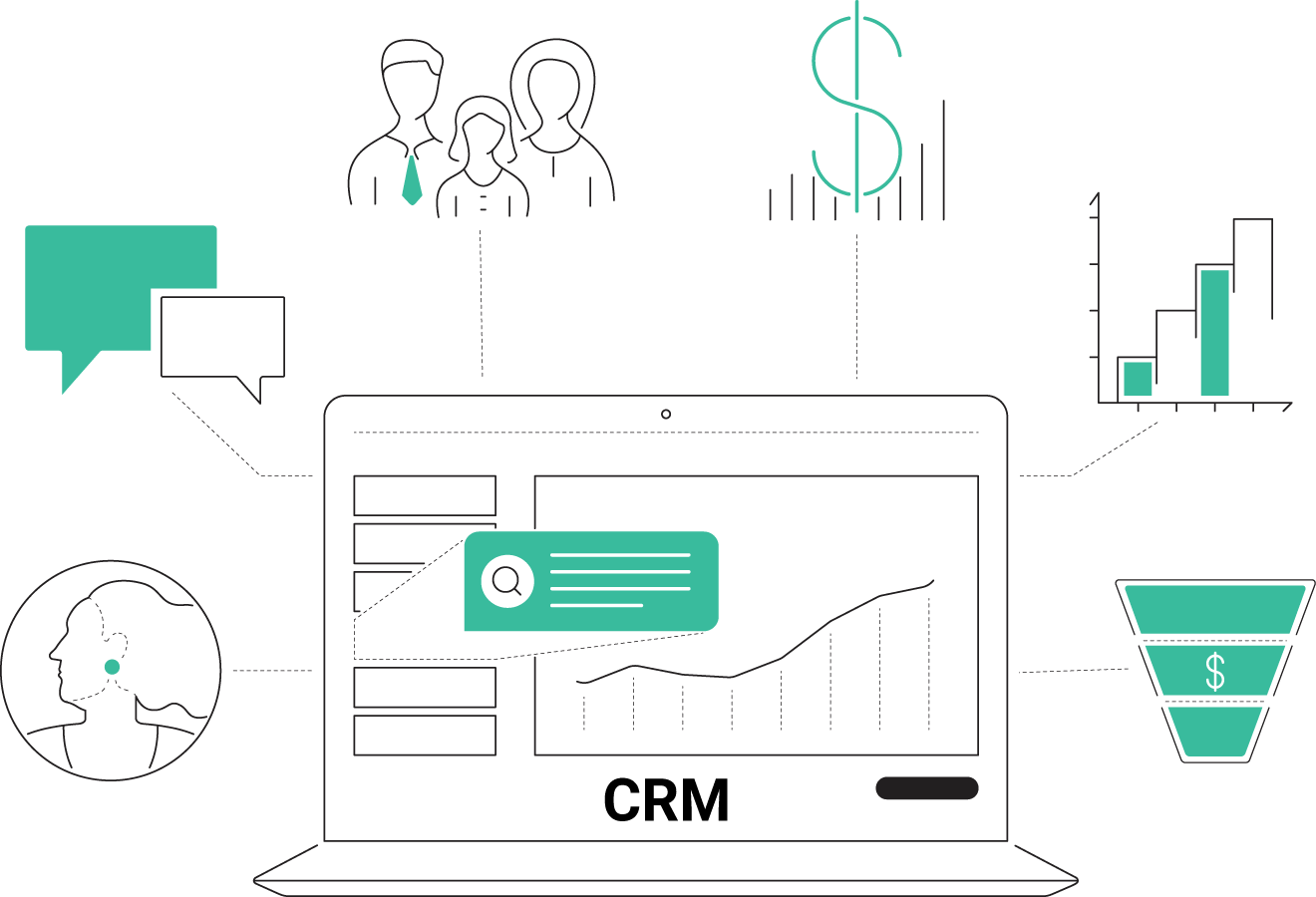
The success of your lead generation efforts often hinges on how well your system integrates with your existing CRM platform. Poor integration leads to data silos, manual workarounds, and missed opportunities. To get it right, focus on these key factors when evaluating and implementing CRM integration.
Evaluate integration depth beyond basic data sync. The best lead generation systems offer advanced workflow automation that triggers actions in your CRM based on lead behavior. For example, when a prospect downloads a white paper, the system should automatically create a task for your sales rep to follow up within 24 hours.
Key CRM platforms to consider include Salesforce, HubSpot, and Pipedrive. Each platform has unique data structures and workflow capabilities, so ensure your platform offers native integrations or robust API connections for your specific CRM.
Data mapping and field synchronization requirements are critical for maintaining data integrity. Before implementation, map out exactly which fields will sync between systems and establish clear rules for handling conflicts or missing data. This prevents duplicate records and ensures your sales team has complete, accurate information.
Real-time versus batch processing considerations depend on your sales velocity and team size. High-velocity sales teams need real-time data sync to respond quickly to hot leads, while smaller teams may be fine with batch processing that updates data every few hours.
Which Automated Lead Generation Features Boost Sales Productivity the Most?
Modern lead generation technology leverages automation and artificial intelligence to dramatically improve sales team efficiency. These advanced features separate market leaders from basic database providers.
AI-powered lead scoring and prioritization analyze hundreds of data points to identify your most promising prospects. Unlike simple demographic scoring, AI models consider behavioral patterns, engagement history, and lookalike modeling to predict which leads are most likely to convert.
Intent data integration and buyer signal detection monitor prospect behavior across the web to identify when companies are actively researching solutions like yours. This allows your sales team to reach out at the perfect moment when prospects are most receptive.
Multi-channel outreach coordination ensures your messaging is consistent across email, phone, direct mail, and social channels. Advanced systems prevent message overlap and optimize timing to maximize engagement without overwhelming prospects.
Automated follow-up sequences and nurture campaigns keep prospects engaged throughout long sales cycles. These systems can automatically adjust messaging based on prospect responses and behaviors, ensuring relevant communication at every stage.
Territory management and lead routing capabilities automatically assign leads to the right sales rep based on geography, industry expertise, or account ownership. This eliminates manual lead distribution and ensures faster response times.
Mobile access for field sales teams provides full system functionality on smartphones and tablets, allowing reps to update lead information, access contact details, and execute outreach activities from anywhere.
What Compliance Requirements Should Your Lead Generation System Meet?
Data privacy regulations continue to evolve, making compliance a critical consideration when selecting a B2B lead generation tool. Non-compliance can result in hefty fines and damaged reputation, so ensure your chosen platform addresses the following requirements.
Modern systems must include robust GDPR (General Data Protection Regulation) capabilities, such as consent management tools that record exactly how and when each prospect granted permission. Your platform should also support data portability (allowing users to download their information) and the right to deletion, ensuring all personal data can be permanently removed upon request.
Beyond Europe, CCPA (California Consumer Privacy Act) and emerging U.S. state privacy laws add layers of complexity. As more states implement their own regulations, your system should be flexible enough to manage region-specific consent and opt-out requirements for different jurisdictions.
For outbound marketing, CAN-SPAM (Controlling the Assault of Non-Solicited Pornography And Marketing) Act and global email regulations require clear unsubscribe functionality and sender identification. Your platform should automatically insert the necessary legal language, track consent, and process unsubscribe requests without delay.
If your business operates internationally, consider data residency and cross-border transfer rules. Some regions restrict where personal data can be stored, so verify that your lead generation system can meet localization and hosting requirements.
Effective compliance also depends on suppression list management. Automated opt-out handling ensures that contacts who decline communication are excluded from all campaigns across every channel.
Finally, look for platforms that maintain comprehensive audit trails and compliance reporting. Detailed logs of data processing activities, consent collection, and system updates can prove invaluable during regulatory audits or customer inquiries.
Calculating Lead Generation System ROI: Metrics That Drive Decisions
Measuring the return on investment from your lead generation software is essential for justifying the expense and optimizing performance. Focus on a few key metrics that directly impact your bottom line.
Key performance indicators should include cost per lead (total system cost divided by leads generated), lead-to-customer conversion rates (percentage of leads that become paying customers), and sales cycle impact (how the system affects the time from first contact to closed deal).
ROI calculation framework starts with implementation costs (software licensing, setup fees, training time) versus productivity gains (time saved on manual tasks, increased lead volume, improved conversion rates). Most businesses see positive ROI within 6–12 months of implementation.
Benchmarking against manual processes and alternative solutions provides context for your results. Track how your current lead generation methods perform in terms of cost, quality, and volume, then compare these metrics after system implementation.
Time-to-value expectations vary by business size and complexity, but most organizations see initial results within 30–60 days and full ROI within one year. Set realistic expectations and track progress monthly to ensure you are on track.
Long-term value considerations include scalability (can the system grow with your business), efficiency improvements (ongoing productivity gains as your team becomes more proficient), and competitive advantages (better lead quality and faster response times than competitors).
Common Lead Generation System Implementation Pitfalls to Avoid
Implementing a new lead generation system can be a game-changer for your business, but only if you do it right. Many companies stumble during the implementation process, leading to delayed ROI, poor adoption, and even outright failure.
Insufficient data cleanup and CRM preparation is the most common pitfall. Before implementation, deduplicate records, validate data accuracy, and standardize formats. On the CRM side, map out how data will flow between systems and update your schema accordingly. A clean, well-structured database is the foundation for everything that follows.
Another frequent challenge is setting unrealistic timeline expectations. Many companies underestimate the time required for data migration, integration setup, and user training. To stay on track, plan for at least 60–90 days for full implementation, depending on system complexity.
Even with the right schedule, change management can make or break your rollout. Resistance often arises when teams are asked to adopt new tools and processes. Develop a comprehensive change management plan that includes executive sponsorship, clear communication about benefits, and recognition for early adopters.
At the same time, over-automation without human oversight can damage relationships and hurt conversion rates. Have sales reps review automated email and call scripts before deployment, and regularly audit lead scoring and routing to ensure accuracy.
Inadequate training and user adoption is another hidden risk. Even the best system won’t deliver results if your team doesn’t know how to use it effectively. Build a strong enablement program that includes role-based training, ongoing education, and self-serve resources to promote continuous learning.
Finally, don’t overlook vendor lock-in risks. As your business evolves, you’ll want flexibility to adapt or switch providers if needed. Look for systems with open APIs, standard data export formats, and contract terms that don’t trap you in long, inflexible commitments.
Pro Tip
Schedule a post-implementation audit 60–90 days after launch. Reviewing adoption rates, data accuracy, and workflow performance early helps you spot issues before they impact ROI—and ensures your team is using the system to its full potential.
How Do You Choose the Right Lead Generation System for Your Business Needs?
Selecting the right lead generation platform requires careful consideration of your unique business needs, existing technology infrastructure, and growth objectives. Use this framework to guide your decision-making process.
SMB versus enterprise feature requirements differ significantly in complexity and cost. Small businesses typically need user-friendly interfaces, pre-built integrations, and affordable pricing, while enterprises require advanced customization, robust security features, and dedicated support.
Industry-specific needs and use case alignment are crucial for system effectiveness. For example, a software company selling to IT professionals has very different requirements than a manufacturing company targeting procurement managers. Make sure your chosen system provides relevant data coverage and the features your industry relies on.
Current tech stack assessment and integration priorities should drive your evaluation process. Start by cataloging your existing tools and identifying which integrations are essential versus optional. Prioritize systems that work seamlessly with your current infrastructure to avoid disruption.
Scalability planning for future growth prevents costly system changes down the road. Consider how your lead volume, team size, and geographic coverage might change over the next 2–3 years, and ensure your chosen system can accommodate this growth.
Vendor evaluation criteria are also important. Look at the company’s stability, including how long they have been in business and their financial health. Review the product roadmap to understand upcoming features and update frequency. Finally, assess the vendor’s customer success track record by checking reviews and feedback from current clients regarding support quality and system reliability.
As you evaluate and implement new solutions, it’s equally important to look ahead. The next evolution of lead generation technology is already here—driven by artificial intelligence and automation that are redefining how teams identify and qualify leads.
How Is AI Transforming Modern Lead Generation Systems?

Artificial intelligence (AI) is fundamentally reshaping how businesses capture, qualify, and convert leads. What used to be manual, time-consuming, and reactive is now predictive, personalized, and data-driven—giving sales and marketing teams powerful new ways to scale outreach while improving lead quality.
AI-powered lead generation systems use predictive analytics to identify high-conversion prospects based on historical data, intent signals, and behavioral patterns. Instead of relying on static lead scoring rules, machine learning models continuously refine criteria to surface the most promising contacts automatically.
AI also enhances data hygiene and enrichment. Intelligent deduplication, contact verification, and firmographic data matching ensure that your CRM and prospecting tools remain accurate and up to date.
For SMBs, AI reduces the guesswork in prospecting by helping smaller teams act with enterprise-level precision. As algorithms get smarter, the best lead generation systems for SMBs will combine automation with human oversight, allowing reps to focus on strategy and relationships rather than repetitive tasks.
Pro Tip
Test AI-driven features like predictive lead scoring or intent-based segmentation before full rollout. Measure lift in engagement and conversion rates to validate impact before scaling system-wide.
What’s the Next Step in Choosing and Implementing Your Lead Generation System?
You now have a comprehensive framework for evaluating lead generation systems and choosing the right solution for your business. The key is to move from analysis to action by conducting thorough vendor assessments, requesting pilot programs, and involving your sales team in the evaluation process.
The right lead generation software will transform your sales pipeline, improve team productivity, and deliver measurable ROI that compounds over time. Salesgenie offers the comprehensive data coverage, CRM integration, and automation features discussed throughout this guide, with over 25 million business records and mobile access that keeps your team productive anywhere.
FAQs
Start by assessing your team size, sales process, and marketing maturity. Small businesses often benefit from user-friendly tools with built-in automation, while larger organizations may need advanced customization, scalability, and dedicated support. Evaluate your current tech stack, prioritize CRM integration, and ensure the system aligns with your ICP and lead management workflow.
Core features include lead capture forms, data enrichment, lead scoring, nurturing automation, CRM integration, analytics, and compliance tools. For the best results, choose a platform that supports AI-driven lead scoring, multi-channel automation, and CRM-integrated lead management for real-time data flow and accurate tracking.
Ask about data quality, refresh frequency, CRM compatibility, automation depth, and compliance capabilities. Clarify how their system supports your lead generation workflow, including integration with your CRM and marketing tools. You should also request a live demo and case studies showing proven ROI for similar businesses. This helps you assess real-world performance, scalability, and ongoing vendor support before making a decision.
Your system should track lead volume, conversion rates, MQL-to-SQL progression, sales cycle length, and ROI. Advanced systems also measure engagement levels, pipeline velocity, and campaign attribution. Dashboards that combine marketing and sales KPIs ensure full visibility into performance and help identify where prospects stall in the funnel.
Choose a system that offers native integrations with leading CRMs like Salesforce, HubSpot, or Pipedrive. Before implementation, map all key data fields and determine sync frequency (real-time or batch). Proper configuration avoids duplicate records, ensures accurate reporting, and enables automated workflows for follow-up and lead routing.
Companies often overlook data hygiene, underestimate implementation time, or ignore user adoption and training. Avoid over-automation without human oversight—sales reps should still review messaging and scoring rules. Finally, don’t rush into long-term contracts without verifying flexibility, support quality, and alignment with your future growth plans.