
Most sales incentive programs fail spectacularly, wasting budget while leaving teams frustrated and unmotivated. The culprit? Generic, gut-feel approaches that ignore territory inequities, enable sandbagging, and provide zero visibility into ROI.
Modern sales rewards programs flip this script entirely. They leverage customer relationship management (CRM) integration, clean data, and systematic design to create fair territories, prevent gaming, and deliver measurable results. Throughout this guide, you’ll discover how to build point-based systems, tiered rewards, effective sales performance incentive funds (SPIFFs), and channel partner programs that actually move the needle. You’ll learn to:
- Design CRM-integrated tracking that eliminates disputes
- Set fair quotas using real market data
- Measure true program return on investment (ROI) with attribution models
- Avoid common pitfalls that sink incentive initiatives
- Implement a proven roadmap for your first data-driven program
Why Most Sales Rewards Programs Fail (and How Data Fixes It)
Picture this: you’ve just launched a new sales incentive program, complete with flashy prizes and a slick leaderboard. You sit back and wait for the revenue to start rolling in…but nothing happens. Your reps are grumbling about unfair quotas, your top performers are sandbagging their deals, and you have no idea if the program is even paying for itself.
Traditional programs are often plagued by territory inequity, where quotas and rewards aren’t aligned with market opportunity. Sandbagging becomes rampant as reps hold back deals to game the system and maximize their payouts. Poor rewards program ROI measurement means without clear attribution data, it’s impossible to know if your incentives are driving incremental revenue or just rewarding deals that would’ve closed anyway.
By shifting from a gut-feel approach to a metrics-based, data-driven incentive design, you can create fair, equitable territories and quotas based on real-time market data, prevent gaming and sandbagging with automated deal validation and payout rules, and measure the true ROI of your programs with granular performance tracking and attribution models.
What Makes a Sales Rewards Program Successful in 2025
Modern sales rewards programs are CRM-integrated, metrics-driven systems that operate on four core principles: transparency, fairness, measurable outcomes, and quick payouts. Unlike outdated approaches that rely on gut feeling or basic commission structures, these programs use real-time data to drive every decision. Here’s why that’s beneficial:
- Transparency: Every rep can see exactly how their performance is measured, what activities earn rewards, and when payouts will occur. No more black-box calculations or surprise rule changes that erode trust.
- Fairness: Territories, quotas, and contest criteria are now based on objective market data rather than arbitrary assignments. This prevents the frustration that comes when high performers in weak territories struggle while mediocre reps in rich territories coast to victory.
- Measurable Outcomes: Substantial data ties every incentive directly to business results through automated tracking and attribution. You’ll know precisely which programs drive incremental revenue versus those that simply reward inevitable wins.
Pro Tip
Prioritize rewards program transparency and fairness from day one. When reps can clearly see how goals are set, how performance is measured, and how payouts are earned, trust skyrockets. Pair that clarity with data-backed territory and quota design, and you create a system where every rep feels they have a real shot at winning, driving stronger engagement and far more predictable results.
Types of Sales Incentive Program Examples That Drive Results

Point-based programs offer the simplest approach to sales motivation. Reps earn points for completing specific activities like scheduling demos, logging customer interactions, hitting activity quotas, or achieving sales milestones.

Tiered reward systems segment your team based on performance and tenure, offering different incentives for each level. Bronze tier might include gift cards and company swag, Silver tier could feature exclusive training opportunities and premium merchandise, while Gold tier delivers luxury experiences and equity grants.

SPIFF program best practices focus on short-term cash bonuses for specific behaviors or wins. Effective SPIFFs keep timelines short (1-4 weeks), set clear and achievable goals, offer meaningful rewards ($500+ cash bonus), and communicate frequently to maintain excitement.

Channel partner rewards programs extend incentives to your indirect sales network through points or cash bonuses for hitting sales targets, completing training, or participating in joint marketing activities. Success requires setting clear and measurable goals that align with your overall sales strategy, providing partners with the tools and resources they need to succeed, offering rewards that are meaningful and motivating to your partners, and communicating regularly about program progress and payouts.
Cash vs. Non-Cash Sales Incentives ROI Comparison
You may be wondering about any potential benefits or downsides to cash versus non-cash sales incentives. We’ve broken these down for you:
- Cash Benefit
Financial incentives like SPIFFs, commissions, and bonuses deliver immediate impact and universal appeal. Cash motivates virtually everyone, provides instant gratification, and offers maximum flexibility for recipients. - Cash Downside
However, cash rewards often get absorbed into regular spending without creating lasting memory or emotional connection to your program. - Non-Cash Benefit
Experiential rewards including travel, events, and unique experiences create stronger emotional bonds and lasting memories. These rewards generate social currency as recipients share stories and photos, often delivering higher perceived value than their actual cost. - Non-Cash Downside
They don’t appeal to everyone equally, and logistics can become complex with larger teams. - Non-Cash Benefit
Technology and service rewards like premium support, advanced tools, and specialized training provide long-term value that compounds over time. These rewards directly improve performance capabilities while demonstrating investment in individual success. They work particularly well for technical roles where better tools translate directly to better results.
The optimal approach combines all three types based on your team size, budget, and goals. Use cash for short-term behavior changes, experiences for major achievements and relationship building, and technology/service rewards for ongoing performance enhancement.
Pro Tip
Blend reward types to boost both short-term motivation and long-term impact. Use cash to spark immediate action, experiential rewards to build emotional connection, and technology or training perks to strengthen ongoing performance. The right mix ensures your program delivers lasting ROI rather than one-off spikes in activity.
How to Build a CRM-Integrated Sales Rewards Program
CRM integration is non-negotiable for modern incentive programs. Without seamless, automated data flow between your CRM and your incentive platform, you’re flying blind, unable to accurately track performance, attribute results, or pay out rewards fairly.
The data flow works like this: a rep identifies a new prospect, logs their interactions in the CRM, works the deal through multiple stages, and eventually closes the sale. Along the way, they may complete several incentivized activities like scheduling demos, sending proposals, or hitting revenue quotas. Your integrated system automatically tracks each action, calculates earned rewards, and triggers payouts without manual intervention.
This automated, closed-loop process ensures that reps are rewarded accurately and promptly for their work, without any manual intervention or risk of errors. More importantly, it prevents the disputes and gaming that plague manual tracking systems.
Designing Fair Territories and Quotas Using Lead Data
Segmented, up-to-date lead databases ensure contest fairness by providing objective market data for territory and quota design. Instead of relying on geographic boundaries or historical performance, use firmographic and demographic data to assign territories based on actual market opportunity.
Territory assignment should consider factors like company size distribution, industry concentration, buying power indicators, and competitive landscape density within each geographic area. This data-driven approach ensures that every rep has roughly equal opportunity to succeed, regardless of their physical location.
Quota setting becomes scientific rather than political when you analyze your lead database for market potential. Look at the number of qualified prospects, their average deal sizes, historical conversion rates, and sales cycle lengths within each territory. This analysis reveals the true revenue potential and allows you to set quotas that are challenging but achievable.
Pro Tip
Anchor every territory and quota decision in market potential. When you size territories using firmographic and demographic data, you create a level playing field for reps. The clearer the data behind your design, the stronger the buy-in and the more predictable your revenue performance becomes.
Measuring and Optimizing Your Sales Rewards Program Performance
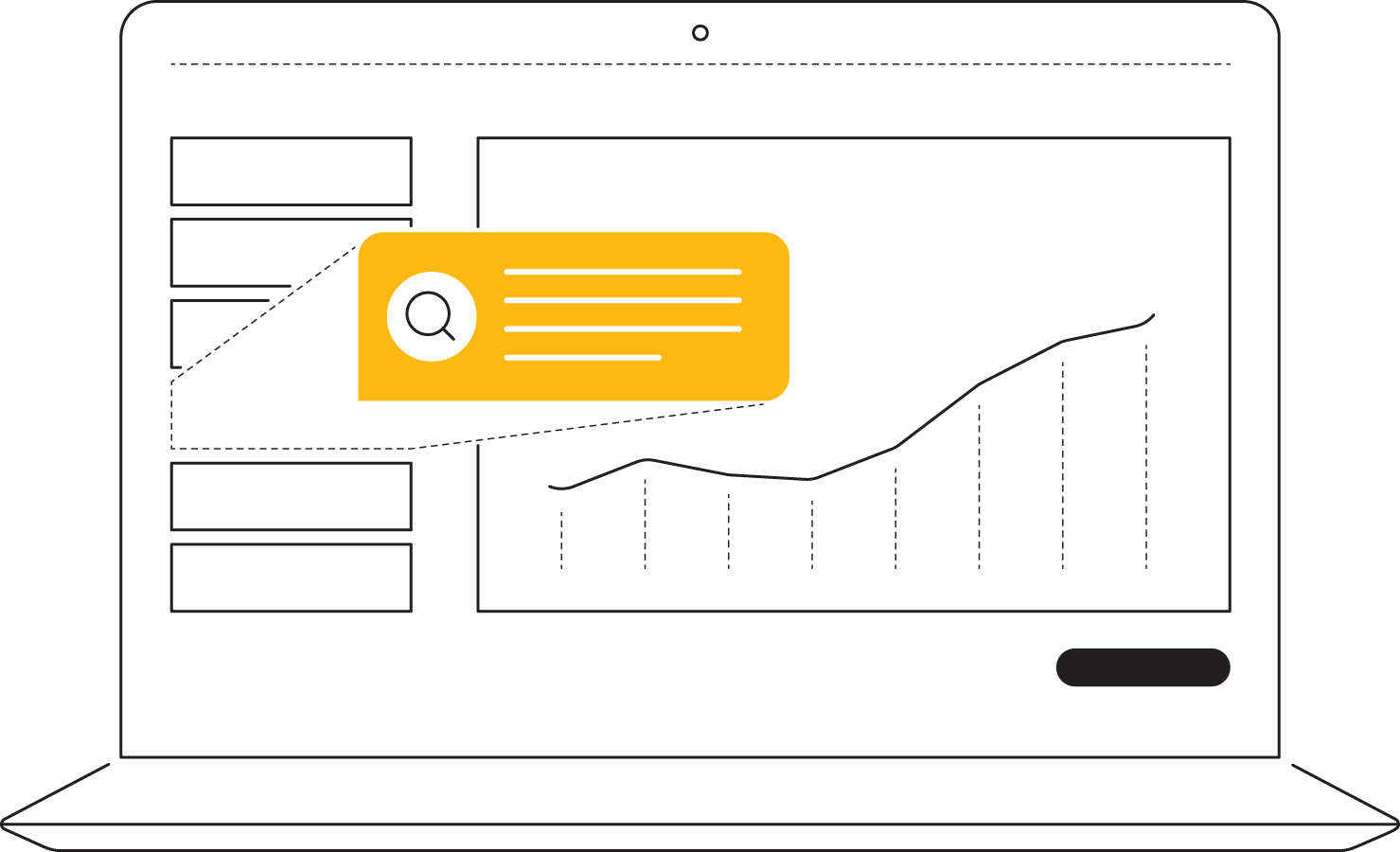
So, what’s the best way to see if your sales rewards program is working? Simply track and optimize your performance through core data points.
- Establish key metrics that matter. Participation rates show program engagement, behavior change metrics prove you’re driving desired actions, revenue impact demonstrates business value, and ROI calculations justify continued investment.
- Create measurement frameworks tailored to different program goals. Point-based programs focus on activity completion rates and sustained behavior change. Tiered systems track advancement between levels and retention within each tier.
- Attribution tracking from incentive to closed revenue requires careful data analysis. Look beyond correlation to establish causation by comparing performance during incentive periods versus baseline periods, accounting for seasonal variations and external factors.
- A/B testing different reward structures and communication approaches reveals what resonates with your team. Test cash versus non-cash rewards, individual versus team incentives, and different communication frequencies. Small variations often produce surprisingly large differences in engagement and results.
Common Sales Incentive Program Pitfalls and How to Avoid Them
Even the best-intentioned sales incentive programs can stumble when design and execution don’t align with strategy. From disputes over territories to disengaged reps and runaway budgets, these pitfalls can quietly erode trust, performance, and ROI if not addressed with clear data, structure, and communication.
- Territory and quota disputes arise when assignments seem arbitrary or unfair. Avoid this by using objective data for all territory and quota decisions, documenting your methodology clearly, and communicating the rationale to your team.
- Program gaming happens when reps find ways to earn rewards without driving desired business outcomes. Implement validation systems that flag suspicious patterns, set minimum quality standards for rewarded activities, and include clawback provisions for rewards tied to deals that later cancel or downgrade.
- Poor participation often stems from overly complex rules or unclear criteria. Keep program rules simple enough to explain in two minutes, provide real-time progress tracking, and ensure redemption processes are straightforward.
- Budget overruns occur when programs lack proper controls and monitoring. Set clear spending caps, implement approval workflows for high-value rewards, and monitor real-time spending against budgets.
- Delayed payouts kill program momentum and erode trust. Automate distribution through CRM workflows whenever possible, set clear payout schedules and stick to them religiously, and communicate proactively about any delays.
Implementation Roadmap for Your First Data-Driven Sales Rewards Program
- Phase 1: Data audit and CRM setup (weeks 1-2) begins with cleaning your CRM data, ensuring consistent field usage, and establishing baseline performance metrics. Verify that opportunity stages, close dates, and revenue amounts are accurate and complete. Document your current sales process and identify key activities worth incentivizing.
- Phase 2: Program design and criteria definition (weeks 3-4) involves selecting your program type based on team needs and business goals, defining clear success criteria and reward structures, and creating detailed program rules and communication materials. Get stakeholder buy-in on budget, timeline, and success metrics before proceeding.
- Phase 3: Pilot launch with small team (weeks 5-6) tests your program with 5-10 reps to identify issues before full rollout. Monitor participation rates, gather feedback on rule clarity, and verify that tracking and payouts work correctly. Use this period to refine communication and adjust rules based on real-world usage.
- Phase 4: Full rollout and optimization (weeks 7-8) expands the program to your entire team while monitoring performance closely. Track all key metrics, gather ongoing feedback, and prepare for your first optimization cycle. Plan to make adjustments monthly based on performance data and participant feedback.
Power Your Sales Rewards Program with Clean, Reliable Lead Data
The most successful sales organizations have moved beyond generic rewards to embrace data-driven, CRM-integrated programs that deliver measurable results. These modern systems offer compelling advantages: fairness and transparency through objective criteria and automated tracking, scalability and efficiency via automated workflows, measurable ROI through direct CRM integration, and flexibility to rapidly optimize based on performance data.
Salesgenie® has a comprehensive business database of 25+ million companies, seamless CRM integrations, and advanced territory planning tools to provide the data foundation your incentive programs need to succeed. Clean, segmented lead data enables fair contest design, accurate territory assignments, and precise ROI measurement that proves program value to executive stakeholders.
See how Salesgenie’s lead intelligence can power your next incentive program and transform your sales performance with smarter, data-driven rewards. Try us today!
FAQs
Effective programs are data-driven, transparent, and tied directly to measurable behaviors or outcomes. They use CRM integration, fair territory design, and clear rules to ensure every rep understands how to earn and track rewards.
They boost engagement by recognizing meaningful activities, providing timely payouts, and creating a sense of fairness and progress. When employees see a direct, transparent link between their effort and rewards, motivation rises.
Strong programs increase performance, reduce disputes, prevent gaming, and improve retention. They also reinforce positive behaviors, support revenue growth, and strengthen trust through consistent, objective criteria.
Start with clean CRM data, define simple and achievable criteria, choose reward types that match your goals, and pilot the program with a small group before scaling. Focus on transparency, clear communication, and automated tracking.
Avoid unclear rules, unfair territories, overly complex structures, delayed payouts, and lack of ROI tracking. These issues erode trust, reduce participation, and inflate costs without driving real performance.
Track participation, behavior changes, revenue impact, and program ROI. Attribution analysis—comparing performance during program periods to baseline data—reveals whether incentives generated true incremental results.
Rewards programs recognize ongoing behaviors and milestones, while incentive programs drive specific actions or goals within a defined timeframe. Incentives are typically more targeted and performance-driven, while rewards often support broader engagement and retention.